Science On Tap: Storytelling With Data: Great Graphs, Bad Logos, & the Ethics of Data Visualization
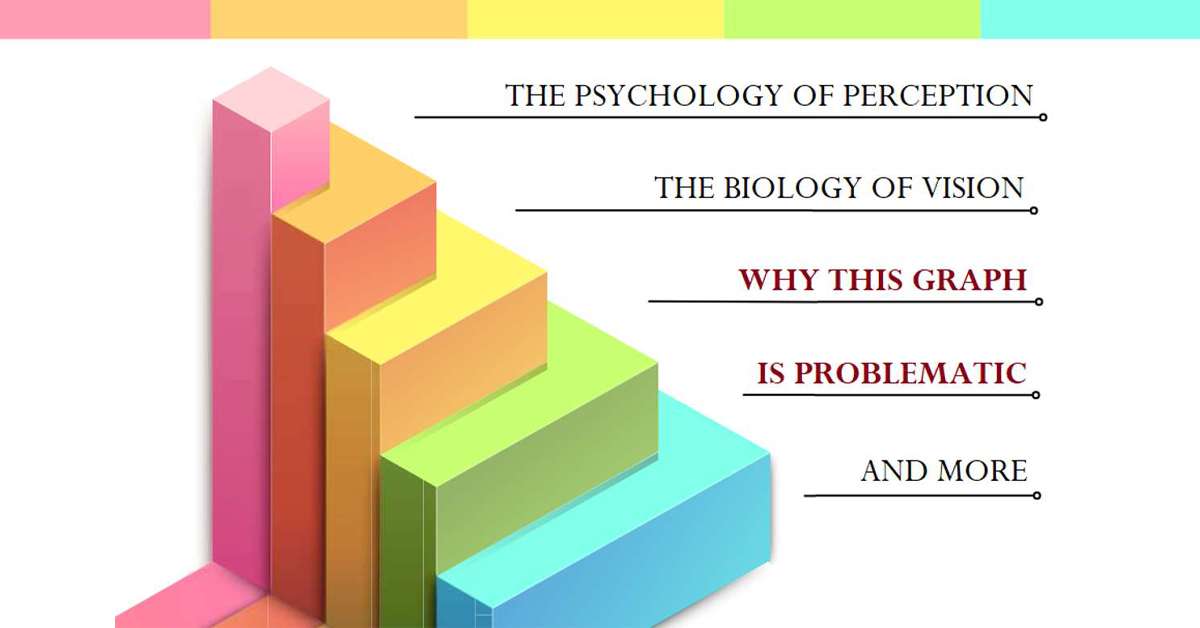
So much data. So much misrepresentation. In our era, understanding the nuances of effective visual storytelling is more crucial than ever. What is the neuroscience of vision?The psychology of perception?How do our brains process visual information? Well-designed graphs can illuminate complex data, making it accessible and engaging for all audiences, while poor design choices, including misleading logos, can distort the truth behind the numbers. Sip on local brews and learn about the aesthetic elements of data visualization AND the ethical responsibilities that come with presenting information. How can we ensure our visuals tell an honest story? What are the implications of data manipulation in public discourse? How to think critically about the visuals you encounter and create, highlighting the ethical dimensions in the context of neuroscience and psychology. Science, design, and ethics—perfectly paired with a pint! Jackie Wirz, PhD, (our own MC!) is a biochemist by training, a nonprofit executive by profession, and a teller of stories. After 15 years of bad graphics as a research scientist, she decided to educate herself on what actually goes into a great visualization. She leveraged these skills as a data management specialist, academic administrator, and as a nonprofit executive. In her spare time she is the MC (mistress of ceremonies) for a variety of events including Science on Tap! Dr. Steven Bedrick is an Associate Professor at OHSU where his research focuses on the intersection of natural language processing and healthcare. He is also interested in the societal and ethical implications that arise from speech and language technology. Tickets:$15.00 DISCOUNT (senior, student, it’s your birthday, just can’t afford the GA price right now)$25.00 GENERAL ADMISSION$35.00 VIP: Premium seating in the front several rows of the center section$45.00 SUPPORTER: Premium seating, pint glass (beer not included), and good feelings for supporting the programMinors ok when accompanied by a parent or guardianReview our venue FAQ here
Science On Tap – Menopause Research: Patterns, Placebos, & Pitfalls
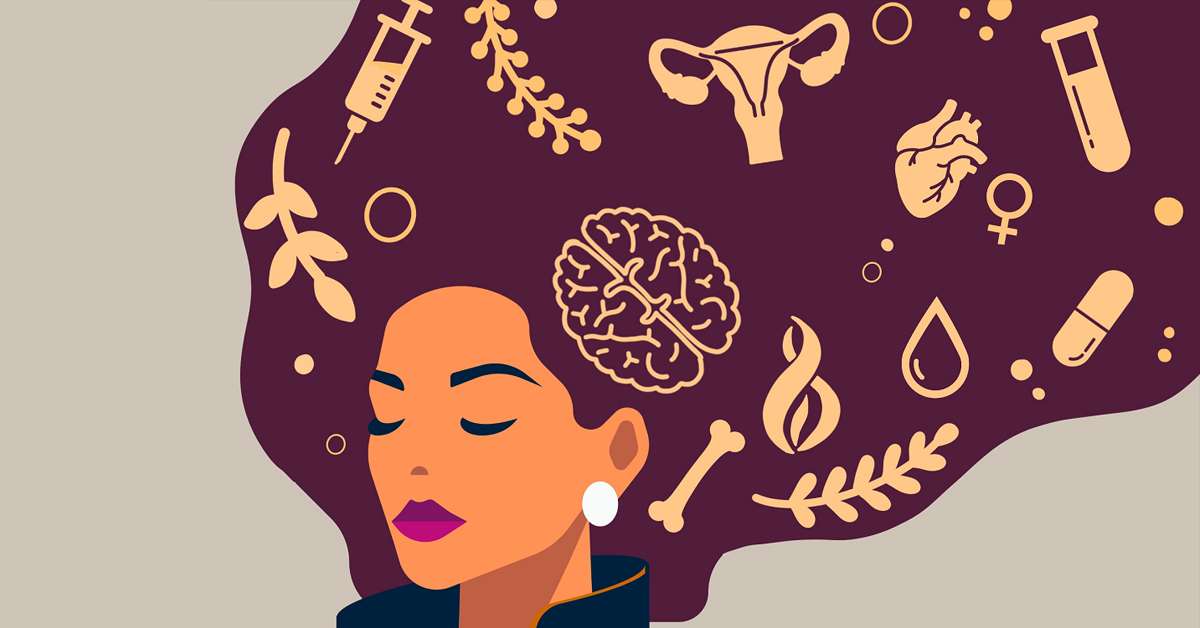
Menopause is becoming a buzzword! How do we separate the science from sensationalism? Find out in this fascinating tour through the world of hormone fluctuations, ovarian aging, and medical interventions. We’ll cover: Perimenopause vs menopause The impacts of menopause vs the effects of getting older Why hormone therapy went from favored to feared overnight, and what we’ve learned since How menopause affects our risks for chronic diseases Hormones: good for long-term health? Some safer than others? What non-hormonal therapies are there? Christina Cameli (she/her) is a Certified Nurse-Midwife and a Menopause Society Certified Practitioner. She is the owner of Menopause Northwest, LLC, a menopause-focused healthcare practice in Portland, OR. In addition to direct patient care, Christina develops menopause-related education for a variety of formats. Minors ok when accompanied by a parent or guardianReview our venue FAQ here ALL SALES ARE FINAL. PLEASE, DOUBLE CHECK YOUR ORDER BEFORE PURCHASING. NO REFUNDS.
Science On Tap: Thigmomorphogenesis, or Why Most Trees Don’t Fall Over
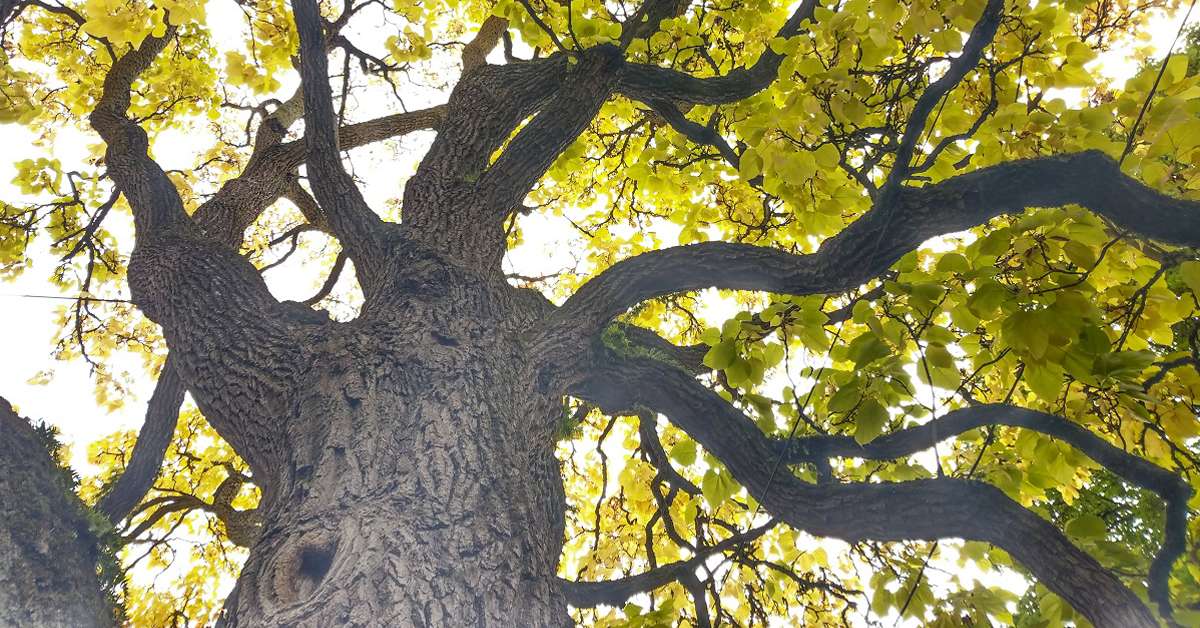
Back by popular demand! Have you ever noticed a tree not fall over? A tree’s natural state is upright—it’s their default mode. Yet, myths pervade: “You should thin your tree” “You should top your tree” “Douglas-firs have shallow roots” “Lone trees are more likely to fall” “The roots will ruin my foundation” “That tree will fall and kill my whole family” Despite the ubiquity of normal, upright trees around us, we often only notice those scattered few that stop being upright, most often in extreme weather. And frankly, those few sully the good reputation of the thousands of others. In the Pacific Northwest, our trees grow to be some of the tallest and largest organisms on the planet, and that can be understandably intimidating as you watch them bend and sway during winter weather from your home. Luckily, our trees did not achieve their prominence by accident, and this talk will explain what the trees are doing, how they react to their environment, and what you can do to make sure your trees are safe. How does a tree build itself? How does it choose which direction to grow? Is it a giant, static monolith waiting to crush everything beneath it? or a dynamic, self-optimizing living system that wants to keep itself upright arguably more than you? Join us on a journey through the lifecycle of a tree: how it grows, lives, and dies. In other words: how do trees become trees and what makes them so good at it? An arborist, a dendrologist, and educator, Casey Clapp is the principal consultant with Portland Arboriculture and co-host/co-creator of CompletelyArbortrary, a weekly podcast about trees and other related topics. He’s also the author of the forthcoming book The Trees Around You: How to identify common neighborhood trees in the Pacific Northwest. Casey holds degrees in Forestry and Environmental Conservation, and he’s an ISA Board Certified Master Arborist, Qualified Tree Risk Assessor, and Municipal Specialist. Find him on social media @clapp4trees or reach him at casey@pdxarbor.com. Minors ok when accompanied by a parent or guardianReview our venue FAQ here ALL SALES ARE FINAL. PLEASE, DOUBLE CHECK YOUR ORDER BEFORE PURCHASING. NO REFUNDS.
Science on Tap – K9 Conservationists: Dogs Helping Wolf Research
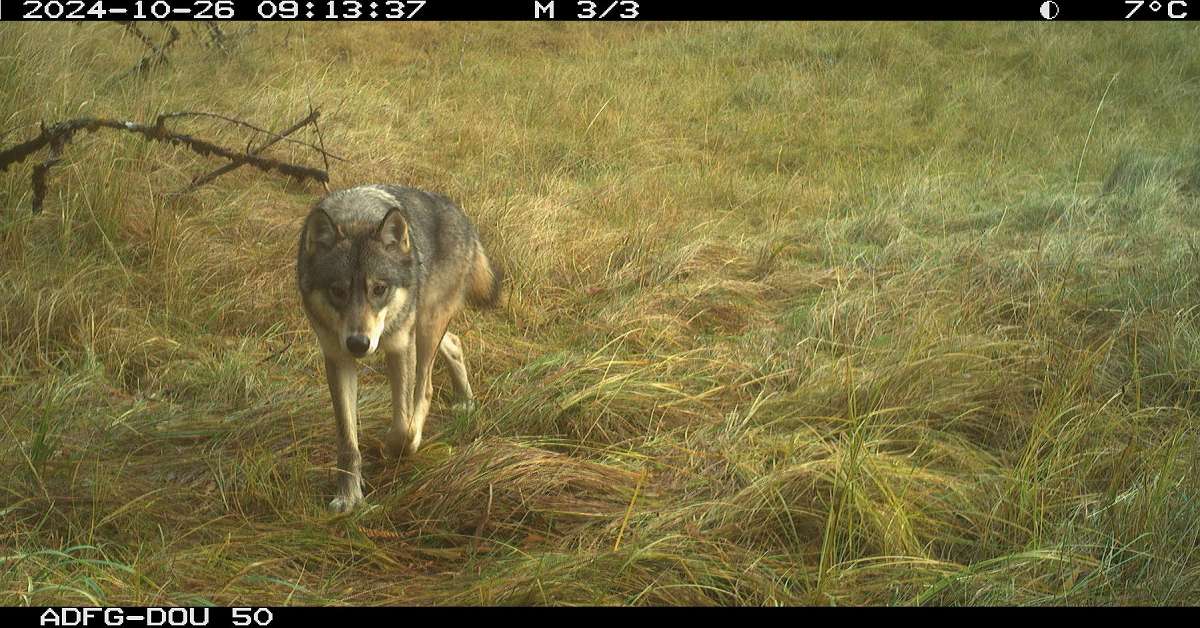
In the 1960s, biologists introduced wolves to Coronation Island in Alaska after deer overran it and decimated the forest understory. The wolves ate all the deer and, with nothing left to eat, starved. About 50 years later, the wolves of Pleasant Island Alaska found themselves in a similar situation: living on an island in the Pacific with no deer left to eat. The wolves of Pleasant Island, however, have not died out. Instead, they’ve broadened their palate to include sea otters. What scientists don’t know is how widespread this surf-and-turf phenomenon is. How does the complex web of wolf, deer, sea otter, hundreds of islands and a massive logging industry interact? In 2024, a rescued border collie named Barley joined the investigation. Employed with K9 Conservationists, Barley is a professional scat detection dog with three field seasons under his belt. With the “understudy” dogs Tooma, Niffler, and Skipper, they have located over 1,500 wolf scats across 25 islands. Back at OSU, Kayla Fratt works to extract the DNA of the wolves and their prey from the fecal samples. She then uses cutting-edge genetic techniques, lasers shot from airplanes, and an awful lot of math to tell the story of the Tongass National Forest through the bum of a wolf. Bonus ending: This talk will conclude with a live demonstration from one of Kayla’s trained conservation detection dogs in the theater!! Kayla Fratt is a PhD student at Oregon State University and a co-founder of K9 Conservationists. She has dedicated her life to training rescue dogs to help conservation biologists. Her research in Alaska is funded by the Alaska Department of Fish and Game and her PhD studies are funded in part by the National Science Foundation. Minors ok when accompanied by a parent or guardianReview our venue FAQ here ALL SALES ARE FINAL. PLEASE, DOUBLE CHECK YOUR ORDER BEFORE PURCHASING. NO REFUNDS.
Science On Tap – Sleep & Snuggling: The Key to Social Connection
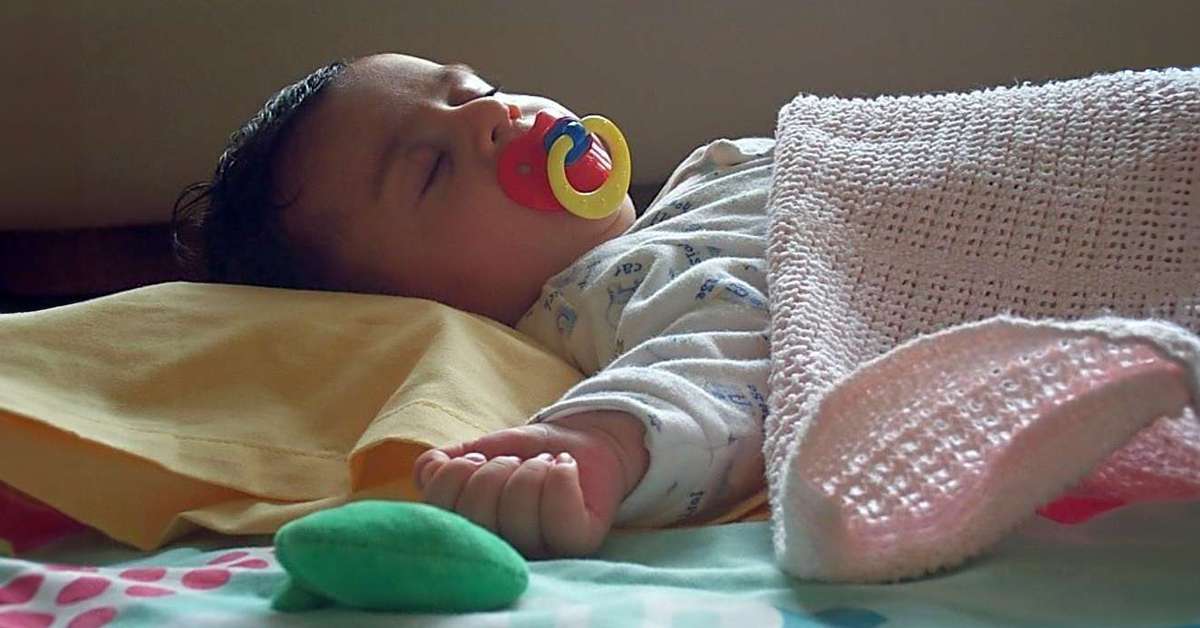
Babies sleep more per day during the first two years than any other point in life. Scientists agree that this is a period of rapid change in the brain and body – but the mystery remains, what function does sleep serve us so early in life? One idea is that sleep is an opportunity for our brains to practice, and process — especially critical early in life, when we are experiencing so many new things in the world around us. The brain controls how we connect with each other, and form relationships with our peers and loved ones. Healthy physical connections with others, including a foundation called “social touch”, is formed early in life and requires proper sleep to fully develop. Studies have found an association between poor sleep early in life and neurodevelopmental disorders characterized by differences in social connection. This talk will expand on this lingering mystery by exploring: How does the function of sleep change with age? How a unique rodent – the prairie vole – can teach us how sleep and snuggles help our brains develop the foundation of social touch. Noah Milman is a graduate student in the Department of Behavioral Neuroscience at OHSU. Previously, he contributed to the first-in-human clinical trial of 40Hz sensory stimulation for Alzheimer’s Disease. Now, he is interested in how early-life sleep and environment impact the sensory brain and our social connections later in life. Minors ok when accompanied by a parent or guardian Review our venue FAQ here ALL SALES ARE FINAL. PLEASE, DOUBLE CHECK YOUR ORDER BEFORE PURCHASING. NO REFUNDS.
Science On Tap – When the Window Breaks: How Vision is Rebuilt
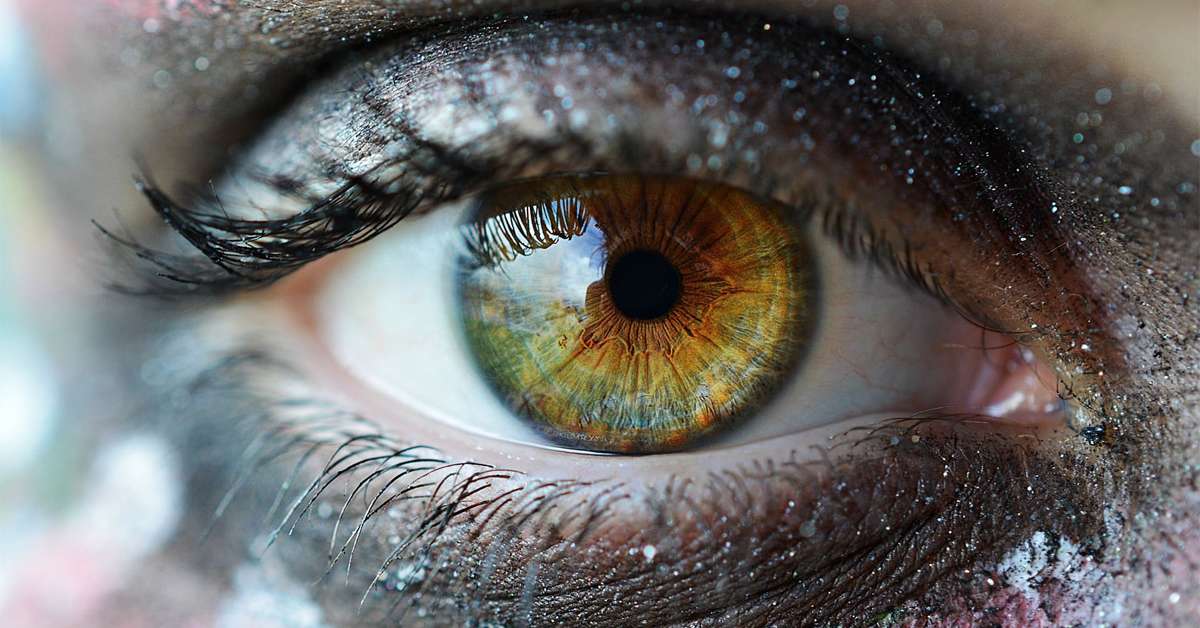
Have you ever looked through a foggy window and wondered what if that were your eyesight? What happens when the window of your eye becomes cloudy? The cornea—the clear front surface of the eye—plays a critical role in focusing light and allowing us to see the world sharply. But infections, injuries, genetic conditions, and aging can damage this delicate tissue, leading to blurred vision, pain, and sometimes even blindness. The remarkable news is that many of these conditions are treatable—and in some cases, surgeons can replace the damaged “window” of the eye to restore sight. Whether you have a corneal disease, know someone with vision problems, or are simply curious about how modern medicine can bring sight back, join us to learn about: How the cornea works What cause it to become cloudy or scarred How treatments work How donated tissue can restore sight Gain a deeper understanding of how damage to this tiny, transparent tissue is among the top causes of global blindness and how advances in eye care are helping people see the world clearly again. Afshan Nanji, MD, MPH is an Associate Professor of Ophthalmology at the Casey Eye Institute at Oregon Health & Science University. She cares for patients with diseases of the cornea including infections, keratoconus, dystrophies, ocular surface cancers, and other conditions. In addition to her clinical work, she teaches future eye surgeons and conducts research to improve diagnosis and treatments for corneal disease. Minors ok when accompanied by a parent or guardianReview our venue FAQ here ALL SALES ARE FINAL. PLEASE, DOUBLE CHECK YOUR ORDER BEFORE PURCHASING. NO REFUNDS.
Science On Tap: Indigenous Science – Seed Banks for Eco-Restoration
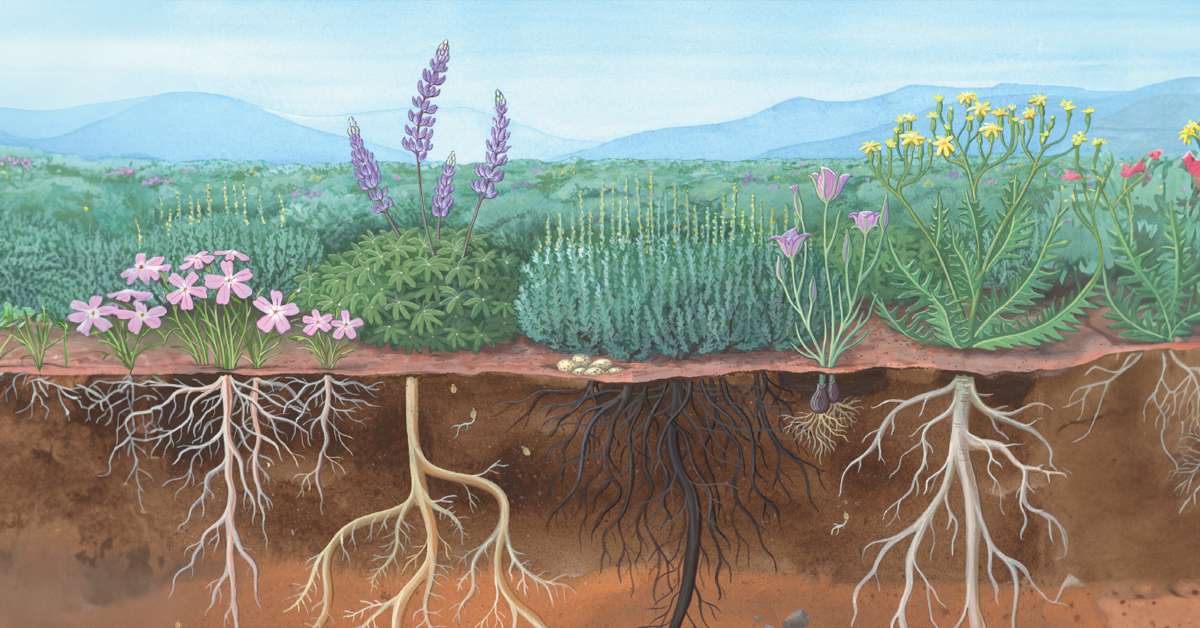
Many ecological restoration projects are one-size-fits-all: kill the weeds, then plant native seeds. But across the West, native plants have unexpectedly reestablished themselves via wind, water, or underground seed banks at restored properties in Oregon, Washington, Idaho, and California within various ecosystems—prairies, estuaries, sagebrush steppe, wetlands and coastal sand dunes. Scientists, in particular Indigenous scientists, have found that native seeds can regerminate after decades of dormancy underground and that some species—even federally endangered ones—will regrow once invasive plants are removed, or water is returned. This approach, known as “natural regeneration,” is understudied and overlooked by Western scientists. Yet Indigenous-led projects show that it is a more effective and more affordable way to restore degraded lands. This show will discuss a handful of tribally led restoration projects where native plants have returned on their own. Josephine Woolington is a writer and musician based in her hometown of Portland, Oregon. She is the author of “Where We Call Home: Lands, Seas, and Skies of the Pacific Northwest,” which won the 2024 Oregon Book Award for general nonfiction. Her wide-ranging, long-form feature story on this subject was published in High Country News. David G. Lewis (Confederated Tribes of Grand Ronde), an OSU anthropology and Indigenous studies assistant professor who descends from western Oregon’s Takelma, Chinook, Molalla and Santiam Kalapuya peoples. Lewis has studied a Willamette Valley site, called Lake Labish, where wapato, a traditional food for PNW Indigenous peoples, has reappeared after a 120-year absence. He is the author of Tribal Histories of the Willamette Valley (2023). Tickets:$15.00 DISCOUNT (senior, student, it’s your birthday, just can’t afford the GA price right now)$25.00 GENERAL ADMISSION$35.00 VIP: Premium seating in the front several rows of the center section$45.00 SUPPORTER: Premium seating, pint glass (beer not included), and good feelings for supporting the programMinors ok when accompanied by a parent or guardianReview our venue FAQ here
Consider This with Dahlia Lithwick
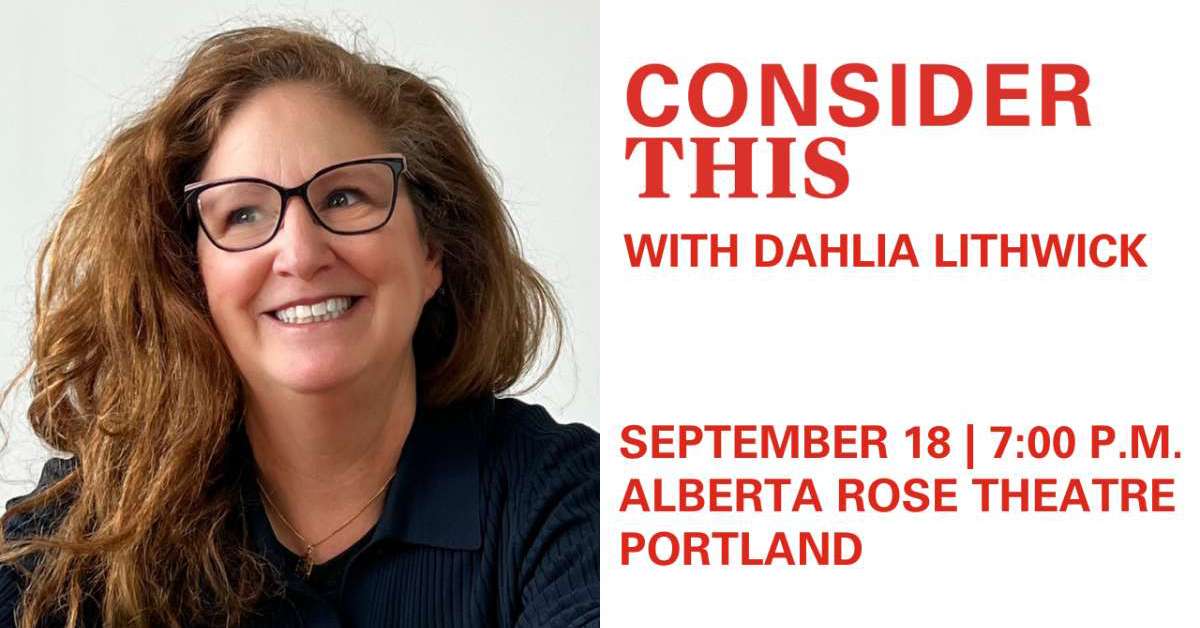
Join us for a conversation about law, justice, and the public interest with Dahlia Lithwick, senior legal correspondent at Slate and host of the Amicus podcast about law and the Supreme Court. One of the leading legal commentators in the US, Dahlia Lithwick has covered courts for Slate since 1999 and regularly appears as an analyst on MSNBC. Her recent book, Lady Justice: Women, the Law, and the Battle to Save America, presents a historical account and perspective on the intersection of feminism, law, and politics during the Trump administration. She has testified before Congress about access to justice in the era of the Roberts Court and how MeToo impacts federal judicial law clerks. General AdmissionPrice: $15 Conversation StarterPrice: $30 Ticket sales do not cover the full cost of presenting Consider This events. When you buy a Conversation Starter ticket, you help us keep ticket prices low for everyone. Oregon Humanities uses income from Consider This ticket sales to pay for venue rental and honoraria for our guests. Conversation Starter tickets convey no special benefits beyond good feelings and our gratitude. No Cost To make sure as many people as possible who want to attend are able to, we make a portion of tickets available at no cost. (More information below) If you’re able to pay for a ticket, we ask that you do so to help keep this program accessible to all. Please click the link below to register for no-cost tickets. Click here to register for no-cost tickets to Consider This.
Consider This with Manu Meel
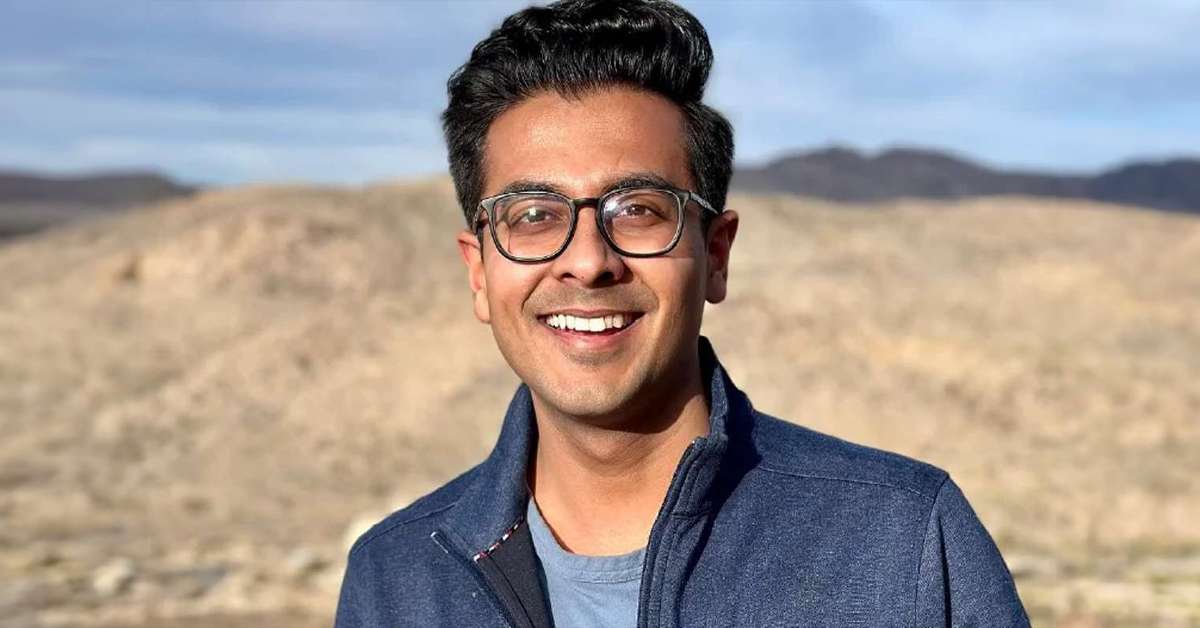
Join Oregon Humanities for a conversation about political differences, young people, and the long-term health of our democracy with Manu Meel, CEO of BridgeUSA, a multi-partisan student movement working to bridge our differences and change how we talk about politics. Manu Meel is passionate about empowering young people to bridge divides. He believes that the biggest threat to American democracy is polarization. He hosts The Hopeful Majority, a weekly podcast, and contributes to several news outlets. Manu works on pro-democracy efforts nationally and advises political leaders on reducing polarization. In 2022, Manu was recognized as a Forbes 30 Under 30 honoree for leading BridgeUSA. This event is part of The People and the Public, Oregon Humanities’ 2024–25 Consider This series. General AdmissionPrice: $15 Conversation StarterPrice: $30 Ticket sales do not cover the full cost of presenting Consider This events. When you buy a Conversation Starter ticket, you help us keep ticket prices low for everyone. Oregon Humanities uses income from Consider This ticket sales to pay for venue rental and honoraria for our guests. Conversation Starter tickets convey no special benefits beyond good feelings and our gratitude. No Cost To make sure as many people as possible who want to attend are able to, we make a portion of tickets available at no cost. (More information below) If you’re able to pay for a ticket, we ask that you do so to help keep this program accessible to all. Please click the link below to register for no-cost tickets. Click here to register for no-cost tickets to Consider This. Minors ok when accompanied by a parent or guardian Review our venue FAQ here
Science On Tap – The Story Collider: Stories About Science
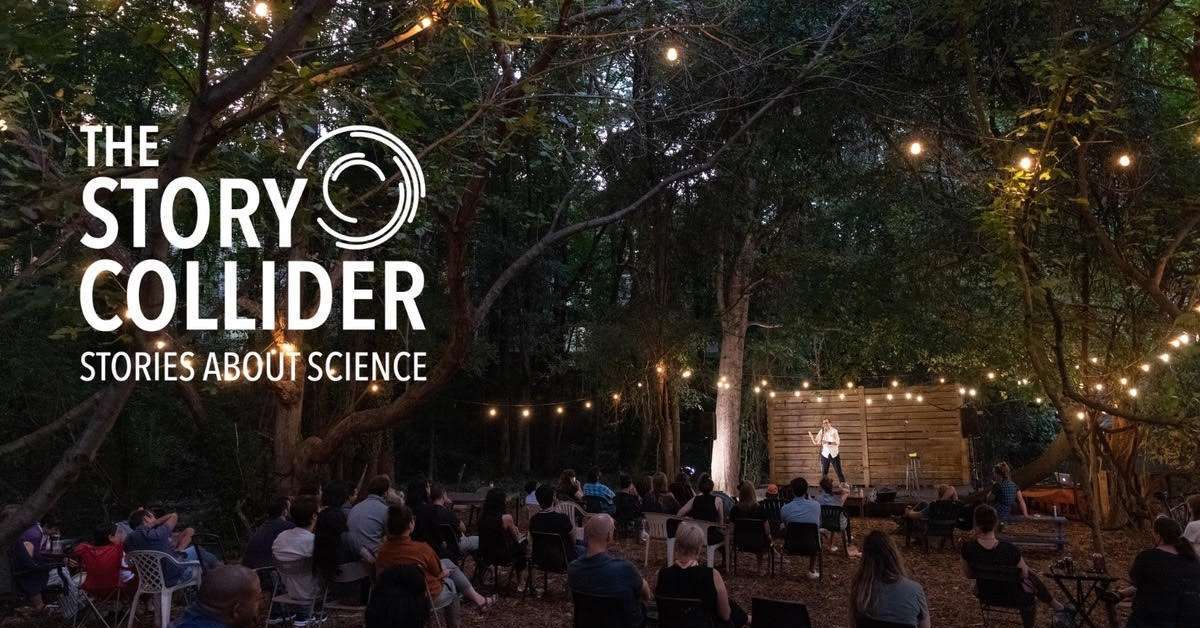
From heart-breaking to hilarious, The Story Collider show is a live storytelling event featuring stories from people from all walks of life about how science has affected their lives. Whether you wear a lab coat or haven’t seen a test tube since grade school, science is shaping all our lives. Every year, The Story Collider hosts live shows – in person and online – around the world with all kinds of storytellers: researchers, doctors, and engineers, of course, but also patients, poets, comedians, and more. Our team’s favorite stories from those shows land on our weekly podcast. They’re all true and all very personal. Science on Tap OR WA is excited to be partnering with them for an evening of true, personal stories about science. Tickets:$15.00 DISCOUNT (senior, student, it’s your birthday, just can’t afford the GA price right now)$25.00 GENERAL ADMISSION$35.00 VIP: Premium seating (front center rows)$45.00 SUPPORTER: Premium seating, pint glass (beer not included), and good feelings for supporting the program Science on Tap is an event series based in Portland, OR, where you can sit back, enjoy a pint, and laugh while you learn. Listen to experts talk about the science in your neighborhood and around the world. You don’t have to be a science geek to have fun—all you need is a thirst for knowledge! Minors ok when accompanied by a parent or guardian. Review our venue FAQ here