Science On Tap: The Neuroscience of Alcohol – 9 FAQs
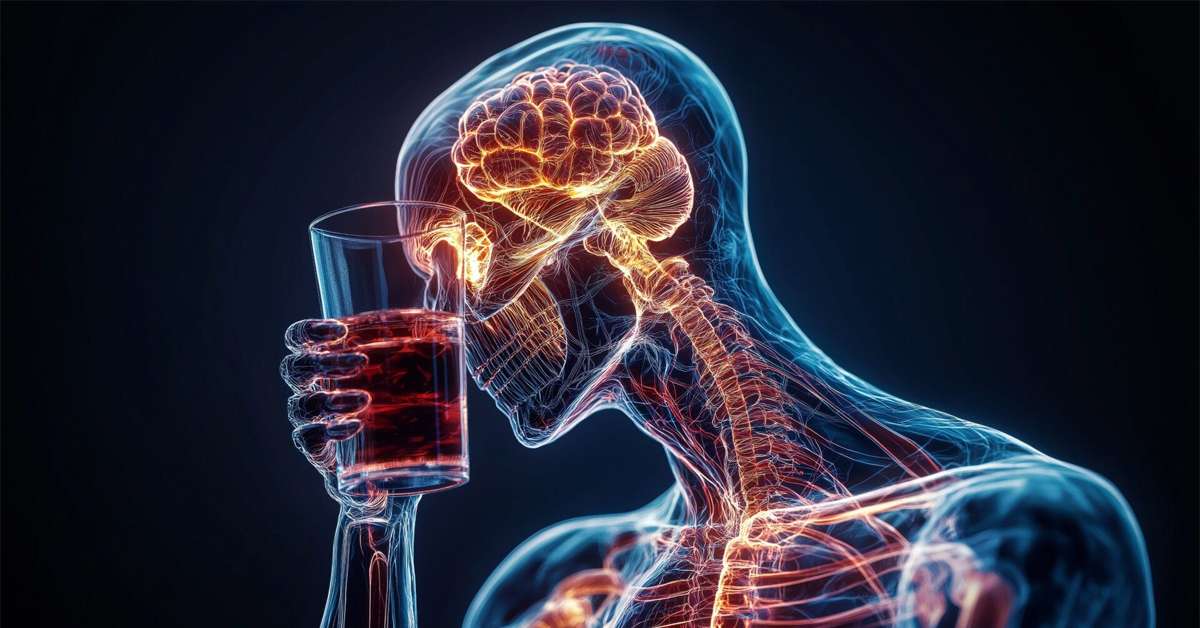
In this light-hearted presentation, we will answer 9 frequently asked questions related to alcohol and brain function, with an emphasis on adolescents-young adulthood. Many lores and misrepresentations about beverage alcohol (ethanol) abound and are retold throughout human history. Decades of scientific studies on alcohol effects on brain and behavior, however, are just as intriguing. Why is 21 years the legal age to purchase alcohol?Why does alcohol give you the spins?Does alcohol truly relieve stress?Do teenagers get hangovers?What does alcohol do to sleep?Are there long-term effects of adolescent drinking?What’s wrong with drinking games?How does alcohol cause memory impairmentsCan drinking on an empty stomach increase intoxication? From myths to data, this talk will explore the complicated relationships humans have with alcohol. Dr. Kathy Grant is Professor and Chief of Neuroscience at OHSU. She is a behavioral neuroscientist and studies mechanisms of stress-alcohol outcomes and risk factors such as genetics, adolescent vulnerability, sex differences and decision-making in chronic heavy drinking. Dr. Aqilah McCane is an Assistant Professor in the Division of Neuroscience at OHSU. She is an expert in neural mechanisms of adolescent decision-making and studies the developmental consequences of adolescent alcohol use on neural circuitry as well as adolescent risk factors for alcohol misuse in adulthood. Minors ok when accompanied by a parent or guardianReview our venue FAQ here ALL SALES ARE FINAL. PLEASE, DOUBLE CHECK YOUR ORDER BEFORE PURCHASING. NO REFUNDS.
Science On Tap: Exploring Earth Songs with The Volcano Listening Project
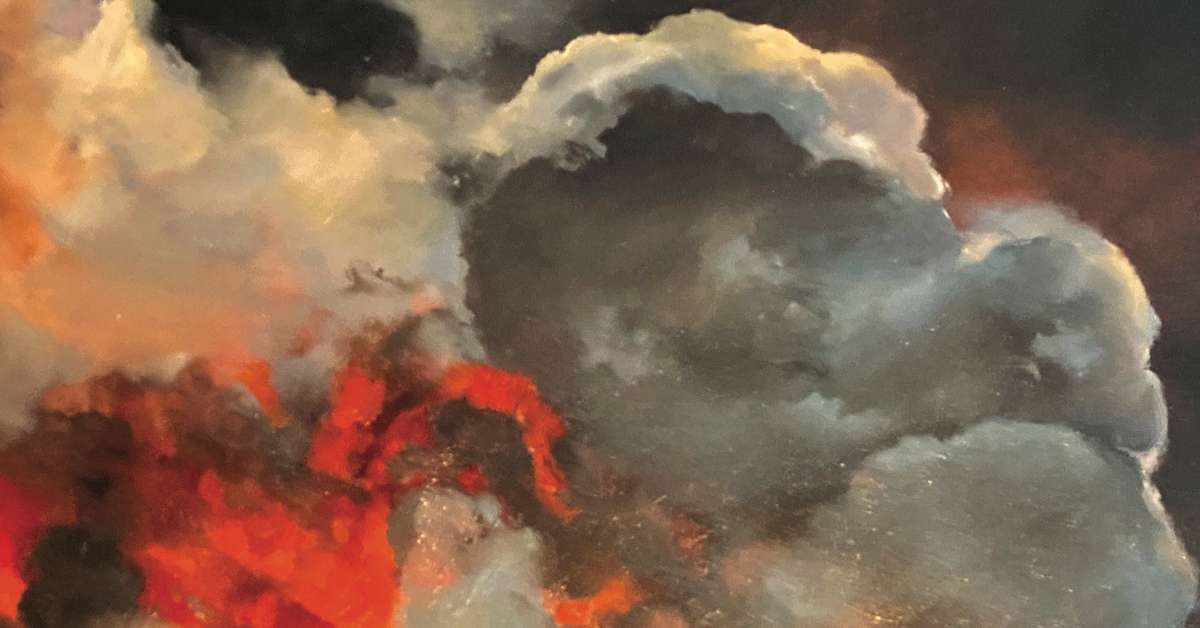
Volcanic eruptions can perturb global climate, build mountains, and reshape human civilizations. They can be deadly, but the deep roots of volcanoes also provide a foundry for critical minerals that enable modern society. In these ways and others, volcanoes have inspired scientists and artists alike for thousands of years. The Volcano Listening Project explores connections between scientific research and artistic perspectives of volcanoes, developing tools to represent data through sound that draw equally from data science, volcanology, and new music. Data ‘sonification’, the display of data using sound, is a powerful way to interact with and understand the complex signals recorded at volcanoes. By leveraging our ears as scientific sensors, it is possible to detect patterns and subtle signatures of deep, poorly understood, volcanic processes. In equal part, sonification of data can trigger an emotional response, and thus lead to compelling music. This program will showcase the Earth songs of volcano music and explain the science behind it, led by volcanologist and violinist Leif Karlstrom. Joining Leif is an ensemble of internationally recognized musicians: Todd Sickafoose (Grammy award-winning composer and bass player for Ani DiFranco), Idit Shner (University of Oregon saxophone professor), Adam Roskiewicz (Grammy nominated with The Modern Mandolin Quartet, as well as work with the Ger Mandolin Orchestra and bluegrass band Front Country), and Johnny Rodgers (tuned glass virtuoso). Leif Karlstrom is an associate professor of Earth Sciences at the University of Oregon. He studies fluid motions in and on volcanoes, glaciers, landscape evolution, and geodynamics. He currently co-leads the Federal Advisory Committee to the U.S. Geological Survey National Volcano Early Warning System, and is also a violinist and composer, with recent national touring and recording credits including folk/bluegrass ensembles Front Country, The Lowest Pair, and Hot Buttered Rum. Minors ok when accompanied by a parent or guardianReview our venue FAQ here ALL SALES ARE FINAL. PLEASE, DOUBLE CHECK YOUR ORDER BEFORE PURCHASING. NO REFUNDS.
Science On Tap – Storm Chasing in the PNW: Wet Cameras & Mist Opportunities
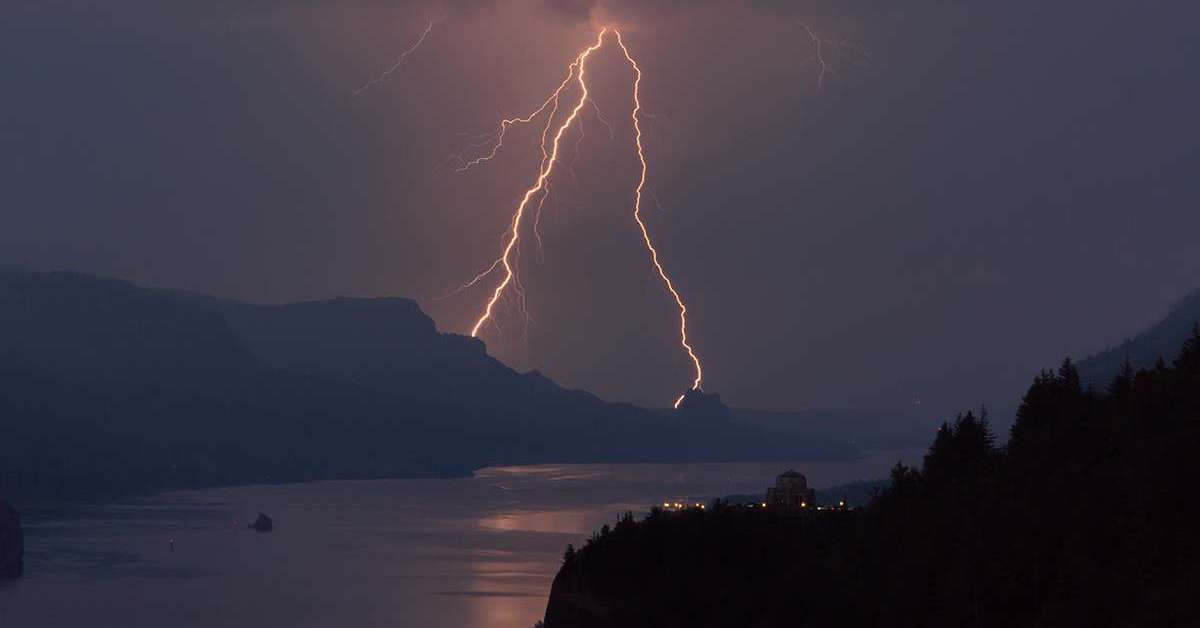
Extreme conditions are rare in the Pacific Northwest, but when the forecast hints at chaos, a small but dedicated group of storm chasers and weather geeks across the northwest spring into action, ready to capture the extraordinary. Join us as we explore the most extreme weather that the Pacific Northwest has to offer through the lens of meteorologist and storm chaser Garret Hartung, including strong southerly windstorms, atmospheric rivers, cold core tornadoes, thunderstorms, floods, heavy snow, freezing rain, and extreme east wind events. What makes these events unique to the PNW? Why do we often miss out on some of the more extreme weather events seen elsewhere in the US? What makes storm chasing here so particularly difficult? Garret Hartung is a Senior Meteorologist at Portland General Electric with more than five years of experience forecasting weather in the PNW. An avid storm chaser since 2016, he has pursued and documented extreme weather and other natural phenomena across much of the Central and Western US. He is also a proud graduate of OSU where he earned a B.S. in Earth Sciences with a focus on climate science and meteorology. Minors ok when accompanied by a parent or guardianReview our venue FAQ here ALL SALES ARE FINAL. PLEASE, DOUBLE CHECK YOUR ORDER BEFORE PURCHASING. NO REFUNDS.
Science On Tap: Confirmation Bias in Science: Disastrous Yet Essential
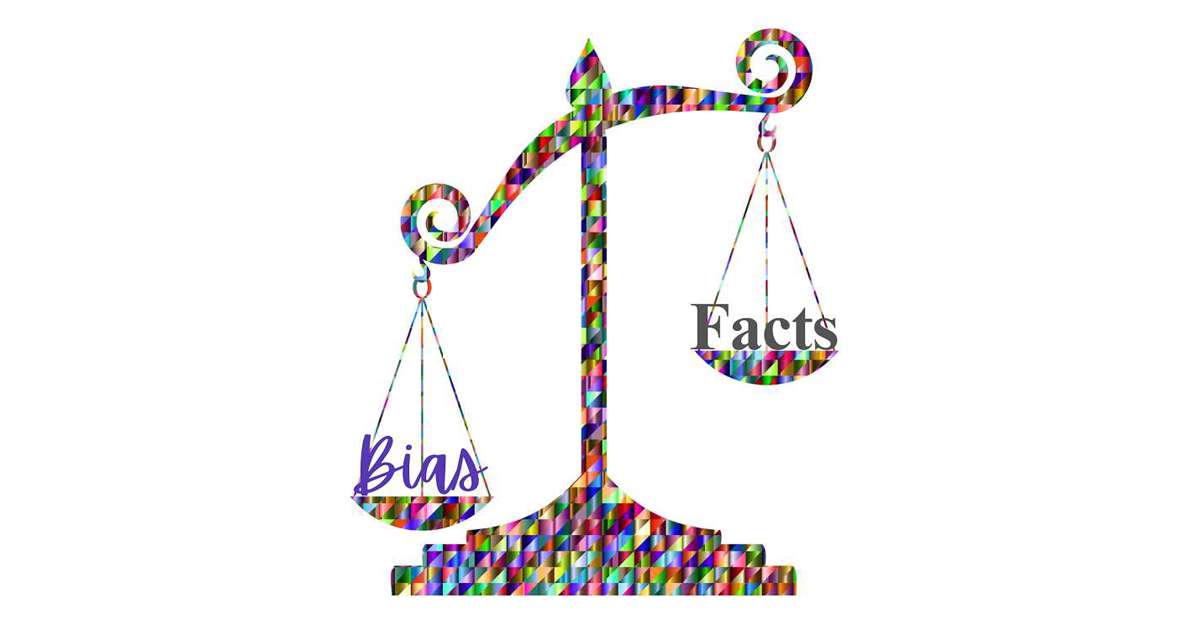
Humans unconsciously filter experience based on what they already believe (called confirmation bias). Seeing is not believing – rather, believing is seeing. Despite specific scientific methods to address this bias, it continues to confuse and confound science, leading to errors, mistakes, and failures – many on a monumental scale. Confirmation bias begins the moment a person has a belief, regardless of its origin or truth, even if the belief is harmful to the person who has it. (Remember Prosper-René Blondlot and the great fiasco of N-Rays?) Why would we evolve such a seemingly maladaptive trait? Surprisingly, despite the damage, without confirmation bias, forward progress in science would stop. It’s even essential to human thinking. In this Science on Tap, Dr. James C. Zimring will explore how and why confirmation bias both drives science forward and can also drive it off a cliff. He’ll explore the questions: How do we harness the remarkable advantages of confirmation bias? How does promoting diversity maximize those advantages? James C. Zimring MD, PhD holds the Thomas W. Tillack chair in experimental pathology at the U of Virginia. For the last 20 years, Dr. Zimring has been highly involved in teaching the “science about science” at the graduate and undergraduate levels, as well as a course on scientific thinking for high school. Dr. Zimring has published two books on the topic: What Science is and How it Really Works (Cambridge University Press) and Partial Truths (Columbia University Press). Tickets:$15.00 DISCOUNT (senior, student, it’s your birthday, just can’t afford the GA price right now)$25.00 GENERAL ADMISSION$35.00 VIP: Premium seating in the front several rows of the center section$45.00 SUPPORTER: Premium seating, pint glass (beer not included), and good feelings for supporting the programMinors ok when accompanied by a parent or guardianReview our venue FAQ here
Science on Tap: Your AI Lover – Reaching for Romance Across the Net

Humans are inherently social, and for many, romantic love represents the pinnacle of emotional connection. Yet, not everyone finds a romantic partner or experiences the kind of connection they seek. Some may turn to AI for solutions. From virtual companions to AI-driven therapists, artificial intelligence is already reshaping how we communicate, alleviate loneliness, and express desire. And as AI continues to evolve, it could become more than just a tool in our lives: it could become a romantic partner. Dr. L. Kris Gowen will delve into the science of love, belonging, and happiness to explore whether AI mitigates loneliness or exacerbates it. Using what we already know about the intersections of emotional connection and technology, she will reflect on whether humans can truly fall in love with an AI, and can an AI reciprocate? What might a human-AI romance look like, and what could it mean for the future of intimate relationships? L. Kris Gowen is a queer sexuality educator who has spoken nationally and internationally on the intersections of sex and technology. She has authored textbooks, teacher guides, and lesson plans to support inclusive school-based sexuality education, based in science and curiosity. When not thinking about sex and relationships, she lives and breathes all things karaoke. Minors ok when accompanied by a parent or guardianReview our venue FAQ here ALL SALES ARE FINAL. PLEASE, DOUBLE CHECK YOUR ORDER BEFORE PURCHASING. NO REFUNDS.
Science On Tap: The Counting of Crows
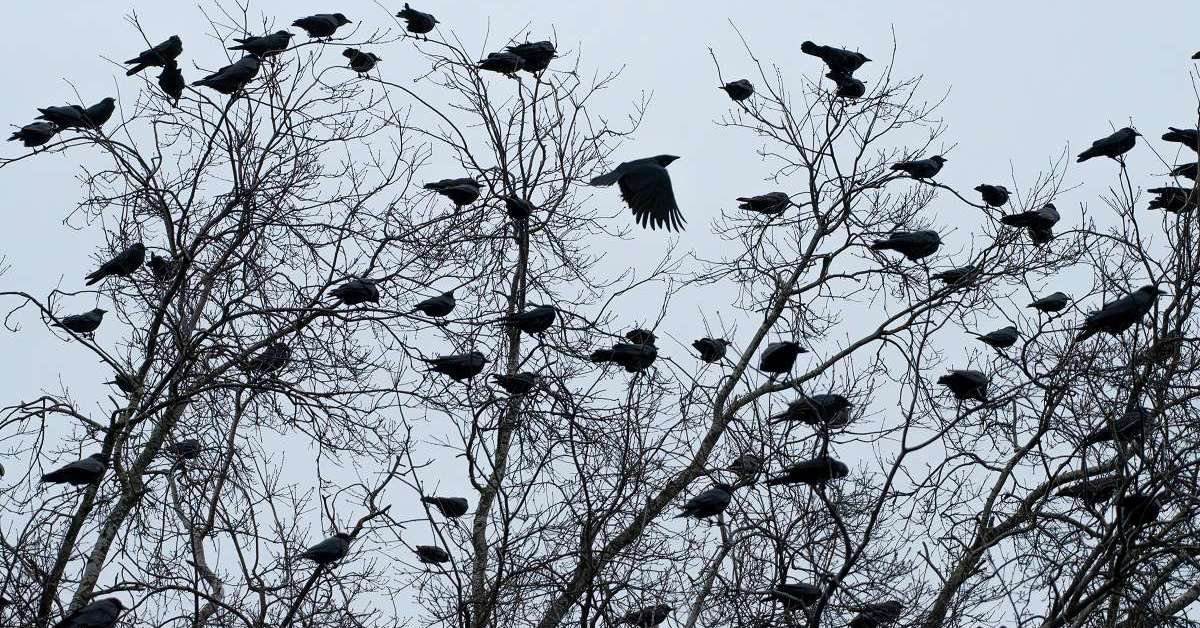
There is no animal we’re more aware of having as neighbors as the American Crow. Loud, ubiquitous, and immediately recognizable, most Portlanders will see crows every day. And yet, there are few animals as mysterious and captivating. • Why are crows so intelligent, and what do they do with those big brains? • Why, if we look outside at dawn and dusk, do we see vast numbers of them all flying in the same direction? • Why do they tear out the grass in our lawns? • Why do they bring bits of food and wash it in our bird baths? • Why do they dive bomb some people? • Do they really remember human faces? And hold funerals for their fallen? In this wide-ranging exploration of the exceedingly common, and unique, American Crow, we’ll learn what makes them so fascinating and mysterious, and try to answer some of these questions along the way. Brodie Cass Talbott works at Bird Alliance of Oregon, where he has been educating both adults and kids about birds since 2018. He leads birdwatching tours near and far, teaches classes on bird ecology and identification, and works to engage the growing birdwatching community in the conservation work that Bird Alliance of Oregon has been doing since 1902. Minors ok when accompanied by a parent or guardianReview our venue FAQ here ALL SALES ARE FINAL. PLEASE, DOUBLE CHECK YOUR ORDER BEFORE PURCHASING. NO REFUNDS.
Science On Tap: Storytelling With Data: Great Graphs, Bad Logos, & the Ethics of Data Visualization
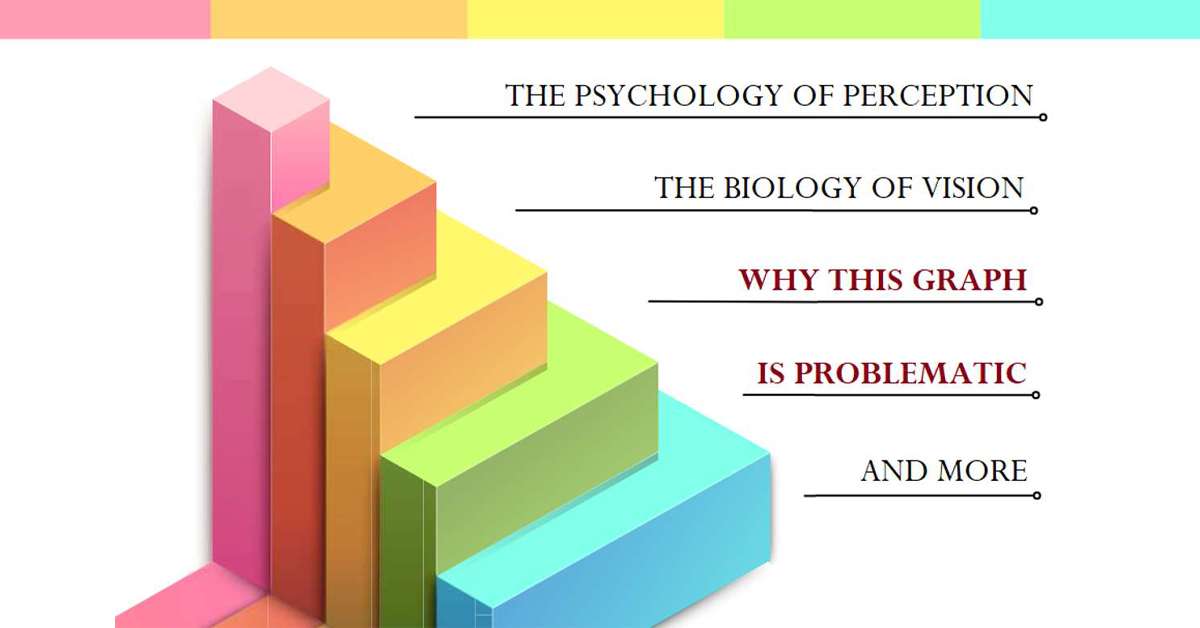
So much data. So much misrepresentation. In our era, understanding the nuances of effective visual storytelling is more crucial than ever. What is the neuroscience of vision?The psychology of perception?How do our brains process visual information? Well-designed graphs can illuminate complex data, making it accessible and engaging for all audiences, while poor design choices, including misleading logos, can distort the truth behind the numbers. Sip on local brews and learn about the aesthetic elements of data visualization AND the ethical responsibilities that come with presenting information. How can we ensure our visuals tell an honest story? What are the implications of data manipulation in public discourse? How to think critically about the visuals you encounter and create, highlighting the ethical dimensions in the context of neuroscience and psychology. Science, design, and ethics—perfectly paired with a pint! Jackie Wirz, PhD, (our own MC!) is a biochemist by training, a nonprofit executive by profession, and a teller of stories. After 15 years of bad graphics as a research scientist, she decided to educate herself on what actually goes into a great visualization. She leveraged these skills as a data management specialist, academic administrator, and as a nonprofit executive. In her spare time she is the MC (mistress of ceremonies) for a variety of events including Science on Tap! Dr. Steven Bedrick is an Associate Professor at OHSU where his research focuses on the intersection of natural language processing and healthcare. He is also interested in the societal and ethical implications that arise from speech and language technology. Tickets:$15.00 DISCOUNT (senior, student, it’s your birthday, just can’t afford the GA price right now)$25.00 GENERAL ADMISSION$35.00 VIP: Premium seating in the front several rows of the center section$45.00 SUPPORTER: Premium seating, pint glass (beer not included), and good feelings for supporting the programMinors ok when accompanied by a parent or guardianReview our venue FAQ here
Science On Tap – Menopause Research: Patterns, Placebos, & Pitfalls
Menopause is becoming a buzzword! How do we separate the science from sensationalism? Find out in this fascinating tour through the world of hormone fluctuations, ovarian aging, and medical interventions. We’ll cover: Perimenopause vs menopause The impacts of menopause vs the effects of getting older Why hormone therapy went from favored to feared overnight, and what we’ve learned since How menopause affects our risks for chronic diseases Hormones: good for long-term health? Some safer than others? What non-hormonal therapies are there? Christina Cameli (she/her) is a Certified Nurse-Midwife and a Menopause Society Certified Practitioner. She is the owner of Menopause Northwest, LLC, a menopause-focused healthcare practice in Portland, OR. In addition to direct patient care, Christina develops menopause-related education for a variety of formats. Minors ok when accompanied by a parent or guardianReview our venue FAQ here ALL SALES ARE FINAL. PLEASE, DOUBLE CHECK YOUR ORDER BEFORE PURCHASING. NO REFUNDS.
Science On Tap: Thigmomorphogenesis, or Why Most Trees Don’t Fall Over
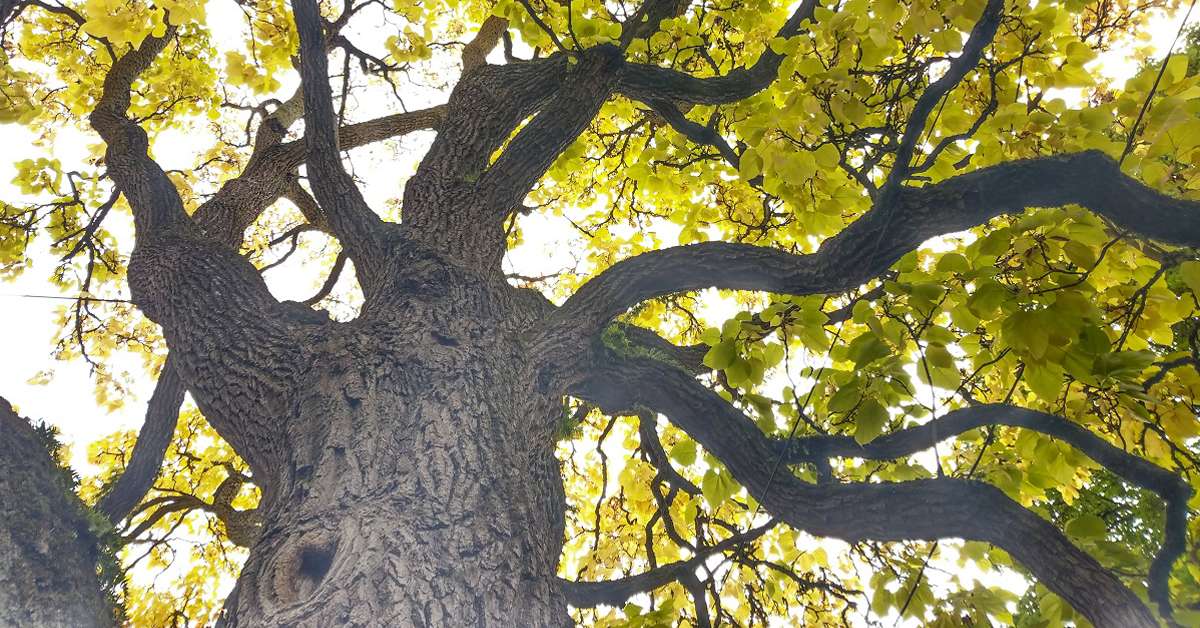
Back by popular demand! Have you ever noticed a tree not fall over? A tree’s natural state is upright—it’s their default mode. Yet, myths pervade: “You should thin your tree” “You should top your tree” “Douglas-firs have shallow roots” “Lone trees are more likely to fall” “The roots will ruin my foundation” “That tree will fall and kill my whole family” Despite the ubiquity of normal, upright trees around us, we often only notice those scattered few that stop being upright, most often in extreme weather. And frankly, those few sully the good reputation of the thousands of others. In the Pacific Northwest, our trees grow to be some of the tallest and largest organisms on the planet, and that can be understandably intimidating as you watch them bend and sway during winter weather from your home. Luckily, our trees did not achieve their prominence by accident, and this talk will explain what the trees are doing, how they react to their environment, and what you can do to make sure your trees are safe. How does a tree build itself? How does it choose which direction to grow? Is it a giant, static monolith waiting to crush everything beneath it? or a dynamic, self-optimizing living system that wants to keep itself upright arguably more than you? Join us on a journey through the lifecycle of a tree: how it grows, lives, and dies. In other words: how do trees become trees and what makes them so good at it? An arborist, a dendrologist, and educator, Casey Clapp is the principal consultant with Portland Arboriculture and co-host/co-creator of CompletelyArbortrary, a weekly podcast about trees and other related topics. He’s also the author of the forthcoming book The Trees Around You: How to identify common neighborhood trees in the Pacific Northwest. Casey holds degrees in Forestry and Environmental Conservation, and he’s an ISA Board Certified Master Arborist, Qualified Tree Risk Assessor, and Municipal Specialist. Find him on social media @clapp4trees or reach him at casey@pdxarbor.com. Minors ok when accompanied by a parent or guardianReview our venue FAQ here ALL SALES ARE FINAL. PLEASE, DOUBLE CHECK YOUR ORDER BEFORE PURCHASING. NO REFUNDS.
Science on Tap – K9 Conservationists: Dogs Helping Wolf Research
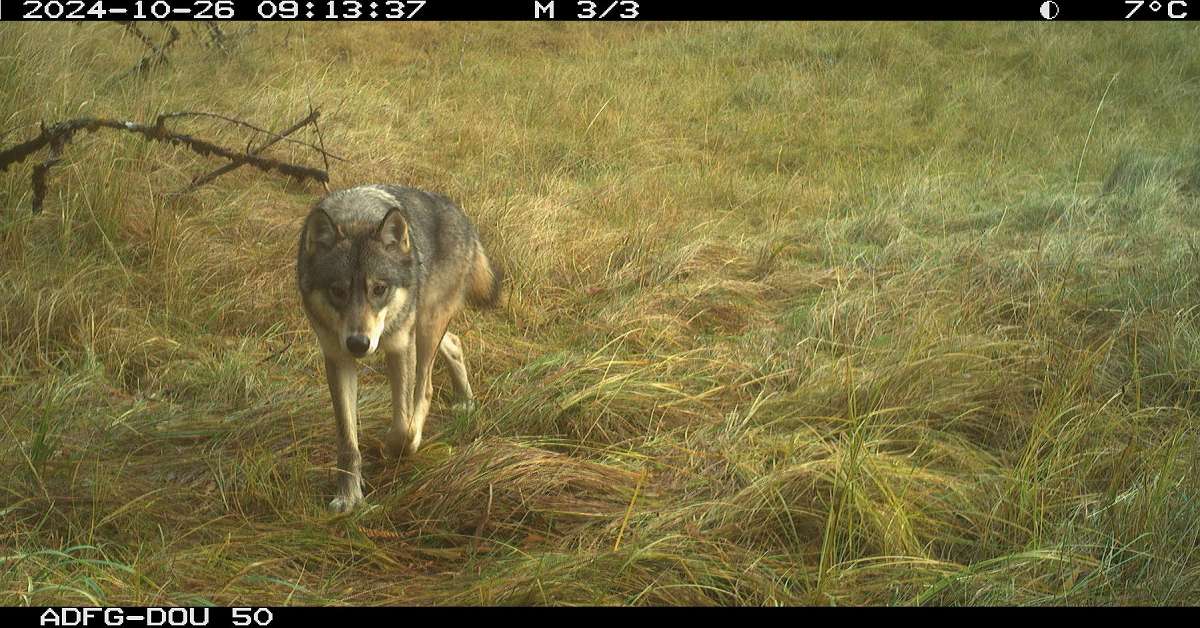
In the 1960s, biologists introduced wolves to Coronation Island in Alaska after deer overran it and decimated the forest understory. The wolves ate all the deer and, with nothing left to eat, starved. About 50 years later, the wolves of Pleasant Island Alaska found themselves in a similar situation: living on an island in the Pacific with no deer left to eat. The wolves of Pleasant Island, however, have not died out. Instead, they’ve broadened their palate to include sea otters. What scientists don’t know is how widespread this surf-and-turf phenomenon is. How does the complex web of wolf, deer, sea otter, hundreds of islands and a massive logging industry interact? In 2024, a rescued border collie named Barley joined the investigation. Employed with K9 Conservationists, Barley is a professional scat detection dog with three field seasons under his belt. With the “understudy” dogs Tooma, Niffler, and Skipper, they have located over 1,500 wolf scats across 25 islands. Back at OSU, Kayla Fratt works to extract the DNA of the wolves and their prey from the fecal samples. She then uses cutting-edge genetic techniques, lasers shot from airplanes, and an awful lot of math to tell the story of the Tongass National Forest through the bum of a wolf. Bonus ending: This talk will conclude with a live demonstration from one of Kayla’s trained conservation detection dogs in the theater!! Kayla Fratt is a PhD student at Oregon State University and a co-founder of K9 Conservationists. She has dedicated her life to training rescue dogs to help conservation biologists. Her research in Alaska is funded by the Alaska Department of Fish and Game and her PhD studies are funded in part by the National Science Foundation. Minors ok when accompanied by a parent or guardianReview our venue FAQ here ALL SALES ARE FINAL. PLEASE, DOUBLE CHECK YOUR ORDER BEFORE PURCHASING. NO REFUNDS.