Science On Tap: Partial Truths – How Fractions Distort Our Thinking
Science On Tap presents a talk by and a talk with Dr. James C. Zimring, board certified in Clinical Pathology, a diplomate of the American Board of Pathology, and an elected member of the American Society of Clinical Investigation. A fast-food chain once tried to compete with McDonald’s quarter-pounder by introducing a third-pound hamburger—only for it to flop when consumers thought a third-pound was less than a quarter-pound because three is less than four. Separately, a rash of suicides by teenagers who played Dungeons and Dragons caused panic in parents and the media in the U.S. They thought D&D was causing teenage suicides—when in fact teenage D&D players committed suicide at a much lower rate than the national average. Errors of this type can be found from antiquity to the present, from the Peloponnesian War to the COVID-19 pandemic. How and why do we keep falling into these traps? In his new book Partial Truths, Dr. James C. Zimring argues that many of the mistakes the human mind consistently makes boil down to misperceiving fractions like percentages, probabilities, frequencies, and rates. Zimring also explores the counterintuitive reason that these flaws might benefit us, demonstrating that individual error can be highly advantageous to problem-solving by groups. Blending key scientific research in cognitive psychology with accessible real-life examples, Partial Truths helps readers spot the fallacies lurking in everyday information. James C. Zimring has a Ph.D. in immunology and an M.D., both awarded from Emory University. He is board certified in Clinical Pathology, a diplomate of the American Board of Pathology, and an elected member of the American Society of Clinical Investigation. He currently holds the Thomas W. Tillack chair in experimental pathology at the University of Virginia. Dr. Zimring has maintained an N.I.H. funded laboratory for over 20 years, has published over 170 research articles, and pursues research in diseases of the blood. His previous book is What Science is and How it Really Works (Cambridge University Press, 2019). Tickets:$45.00 BOOK + GA TICKET: 15% off each individually$35.00 VIP: Premium seating in the front several rows of the center section$25.00 GENERAL ADMISSION$15.00 STUDENT COVID POLICY Verbal vaccine confirmation required; masks encouraged. Review our Health & Safety Policies HERE
Science On Tap: Under Alien Skies – A Sightseer’s Guide to the Universe
Have you ever wondered what it would be like to travel the universe? How would Saturn’s rings look from a spaceship sailing just above them? If you were falling into a black hole, what’s the last thing you’d see before getting spaghettified? While traveling in person to most of these amazing worlds may not be possible—yet—the would-be space traveler need not despair: you can still take the scenic route through the galaxy with renowned astronomer and science communicator Philip Plait. At this Science on Tap, Plait draws ingeniously on both the latest scientific research and his prodigious imagination to transport you to ten of the most spectacular sights outer space has to offer. In vivid, inventive scenes informed by rigorous science—injected with a dose of Plait’s trademark humor—Under Alien Skies places you on the surface of alien worlds, onto a two-hundred-meter asteroid, stargazing from the rim of an ancient volcano on a planet where it is eternally late afternoon. For the aspiring extraterrestrial citizen, casual space tourist, or curious armchair traveler, Plait is an illuminating, always-entertaining guide to the most otherworldly views in our universe. Philip Plait, PhD, is an astronomer, sci-fi dork, TV documentary talking head, and all-around science enthusiast. The author of Bad Astronomy and Death from the Skies! he writes the Bad Astronomy newsletter and lives in Colorado. Tickets:$46.75 BOOK + GA TICKET: 15% off each individually$35.00 VIP: Premium seating in the front several rows of the center section$25.00 GENERAL ADMISSION$15.00 STUDENTReview our Health & Safety Policies HERE
Science On Tap – Living with Wildfire: Perspectives From a Former Firefighter
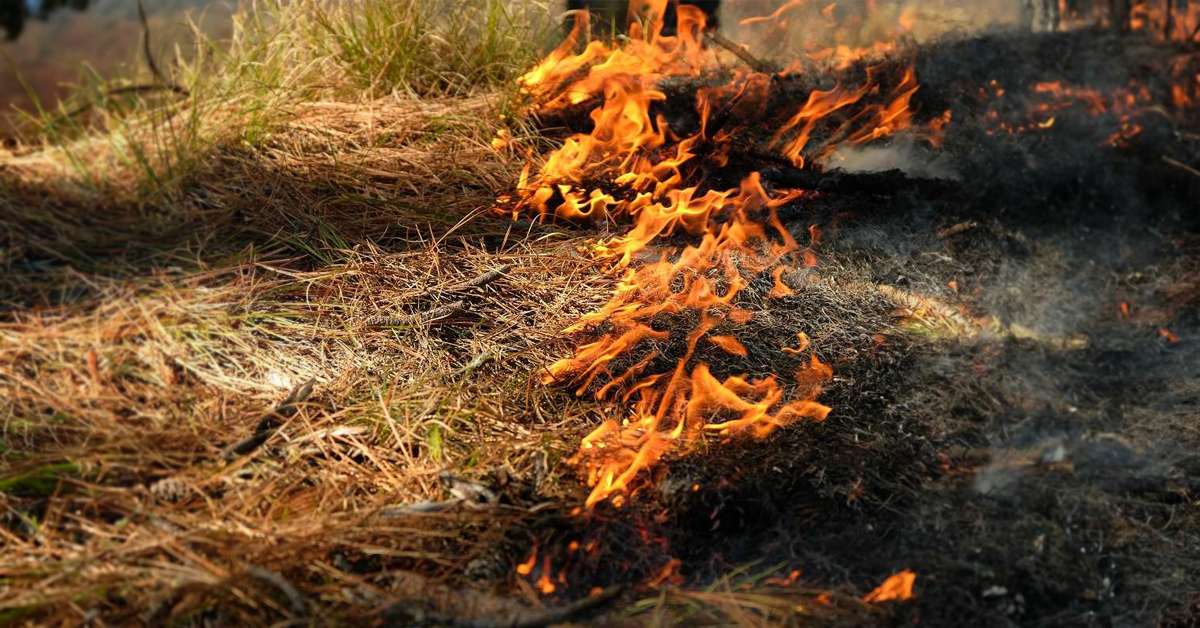
What’s it like to work on the front lines of a wildfire? How and why are wildfires changing in the Northwest? This talk will jump into both of these topics, while also expanding on how you can prepare for a future of fire in the Northwest. Amanda Monthei spent four years working as a wildland firefighter—including two years as a US Forest Service hotshot (a highly-trained team) based in the Mt. Hood National Forest. Her work gave her a first-hand glimpse at the way PNW ecosystems are shifting and how both wildfire and climate change play a critical role. This talk will give you an inside glimpse at what this unique job entails, as well as the challenges facing wildland firefighters right now. She’ll also address why our temperate rainforests no longer feel like the wildfire-safe haven they once were. Believe it or not, fire belongs in these “wet side” ecosystems! But while infrequent, these fires tend to be catastrophically large and fast-moving – take the Labor Day fires of 2020 as an example of how these ecosystems can burn. Explore why this relationship is expected to grow more tenuous as climate change brings more extended drought and other climactic changes to the Northwest. Amanda Monthei left firefighting in 2019 and found a niche career in writing about wildfire, including for outlets like The Washington Post, The Atlantic, Deseret News, Patagonia and NBC News. She also produces and hosts a podcast, Life with Fire, which examines our relationship with wildfires and how we can better coexist with them. She lives in Bellingham, WA. Tickets:$15.00 DISCOUNT (senior, student, it’s your birthday, just can’t afford the GA price right now)$25.00 GENERAL ADMISSION$35.00 VIP: Premium seating in the front several rows of the center section$45.00 SUPPORTER: Premium seating, pint glass (beer not included), and good feelings for supporting the program Minors ok when accompanied by a parent or guardianReview our Health & Safety Policies HERE
Science On Tap: Cascadia Earthquakes: Reality, Risks, and Improving Resilience
The Pacific Northwest is due for a major earthquake along the Cascadia Subduction Zone, and a magnitude 9 Cascadia earthquake and tsunami would likely produce an unprecedented catastrophe much larger than any disaster the state of Oregon has ever faced. Oregon’s resilience to earthquakes is low, thus, preparing for a catastrophic disaster to become more resilient is needed to improve personal safety and safeguard communities and businesses. At this Science on Tap, Yumei Wang, engineer and geologist, will discuss Oregon’s earthquake setting, expected impacts from a Cascadia earthquake, and how Portlanders are preparing for “the really big one.” Yumei Wang focuses on deficient infrastructure to improve community safety for Cascadia earthquakes and tsunamis and extreme weather disasters. She consults on disaster resilience projects including to DEQ on their forthcoming fuel terminal safety regulation, is Affiliate Faculty Senior Advisor on Infrastructure Resilience and Risk at PSU, and served for 26 years in the State of Oregon’s Department of Geology and Mineral Industries. Wang has conducted worldwide post-earthquake engineering damage assessments including the 2011 Tohoku, Japan and 2010 Maule, Chile disasters, and appeared in documentaries produced by OPB, NOVA, National Geographic, and Discovery. In 2022, she received the Public Service Award from The Geological Society of America, was named Engineer of the Year by the Professional Engineers of Oregon, and has served as a U.S. Congressional Fellow in Washington DC.Tickets: $45.00 SUPPORTER: Premium seating, pint glass, and good feelings for supporting the program$35.00 VIP: Premium seating in the front several rows of the center section$25.00 GENERAL ADMISSION$15.00 STUDENTReview our Health & Safety Policies HERE
Science On Tap: Curing Climate Change? Smoke, Haze, and Solar Intervention
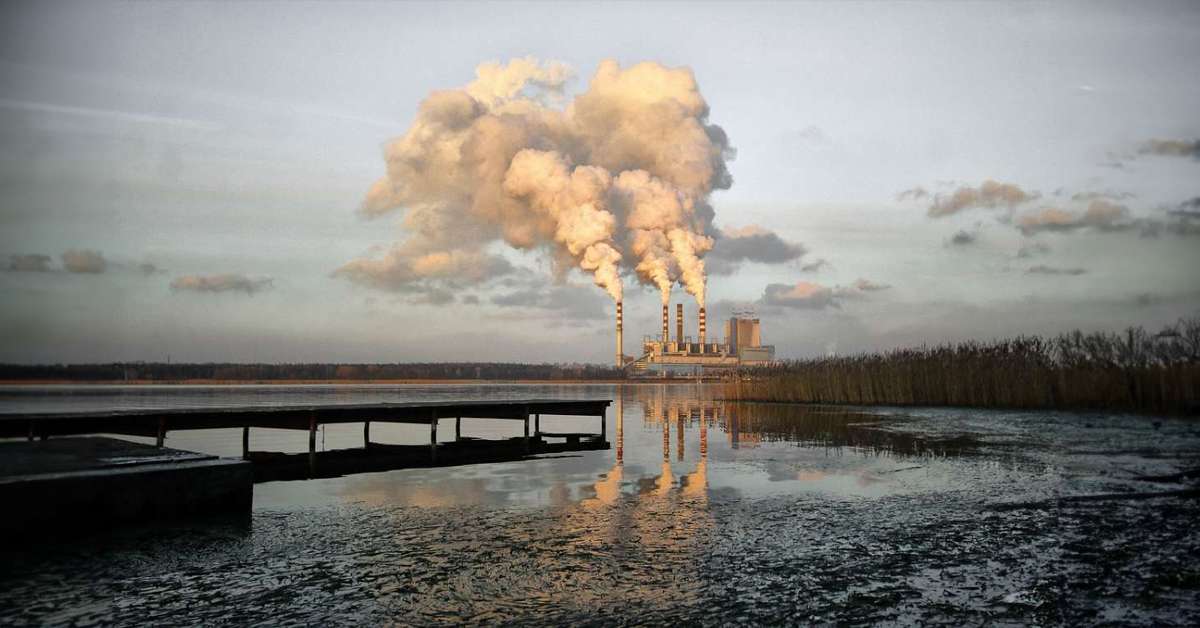
There’s a lot more going on in the skies that’s affecting climate than just fossil fuel emissions increasing CO2! Particles in the atmosphere — like smoke from fires and pollution from engines and industrial activities — are affecting our climate. Yet, their influence on climate might surprise you – they actually act to cool the planet and “mask” some of the greenhouse gas warming. Research scientist Dr. Sarah Doherty will talk about how particles in the atmosphere are already affecting climate, how these influences are likely to change in the future, and whether these effects can be leveraged to rapidly reduce global warming to avoid many of the negative impacts of climate change.What are the ideas?What’s being done so far?Why are scientists considering these ideas? This talk will discuss the current climate trajectory, and why cutting emissions alone won’t be enough to keep global warming from exceeding the 1.5-2 C of warming that scientists have identified as “dangerous levels of climate change”. Dr. Sarah Doherty is a Senior Research Scientist at the University of Washington. Her interest in atmospheric science began with a year of work in Antarctica, where she was helping make measurements to better understand the ozone hole. Since getting her PhD, much of her research has involved making measurements of smoke and pollution in different parts of the world, including off the coasts of Africa, China, India, and the Arctic, and understanding how they affect climate. She has also been involved with multiple scientific assessments, including the U.S. National Climate Assessment and two international assessments of the state of the ozone layer. Tickets:$15.00 DISCOUNT (senior, student, it’s your birthday, just can’t afford the GA price right now)$25.00 GENERAL ADMISSION$35.00 VIP: Premium seating in the front several rows of the center section$45.00 SUPPORTER: Premium seating, pint glass (beer not included), and good feelings for supporting the programMinors ok when accompanied by a parent or guardianReview our venue FAQ here
Science On Tap: Molds, Mushrooms, and Medicines: Our Lifelong Relationship with Fungi
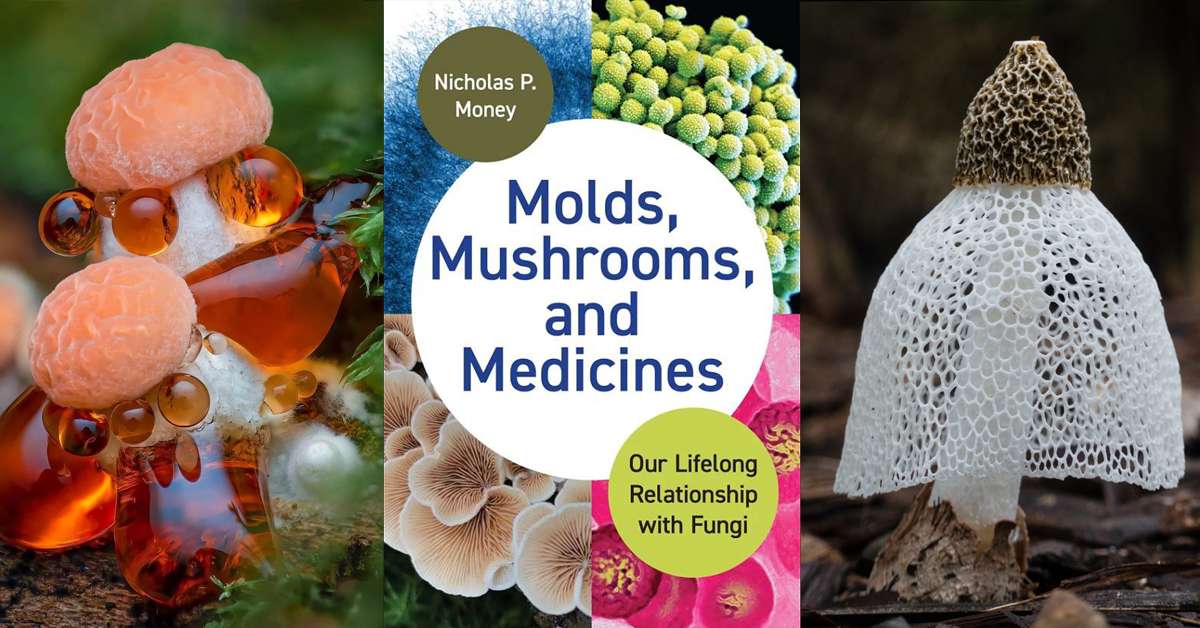
The hidden role of fungi inside and all around us. From beneficial yeasts that aid digestion to toxic molds that cause disease, we are constantly navigating a world filled with fungi. Our health and well-being depend on an immense ecosystem of yeasts and molds inside and all around us. Come on a guided tour of a marvelously unseen realm, describing how our immune systems are engaged in continuous conversation with the teeming mycobiome inside the body, and how we can fall prey to serious and even life-threatening infections when this peaceful coexistence is disturbed. Our speaker also sheds light on our complicated relationship with fungi outside the body, from wild mushrooms and cultivated molds that have been staples of the human diet for millennia to the controversial experimentation with magic mushrooms in the treatment of depression. Drawing on the latest advances in mycology, Molds, Mushrooms, and Medicines reveals what scientists are learning about the importance of fungi to our lives, from their vital role in supporting the ecosystems on which we depend to their emerging uses in lifesaving medicine. Nicholas Money is a mycologist and professor at Miami University in Oxford, Ohio. Get 15% off the book and your ticket when you buy them together! (see ticket options on the Get Tickets link) Tickets:$46.70 Book + Ticket (15% off each!)$35.00 VIP: Premium seating in the front several rows of the center section$25.00 GENERAL ADMISSION$15.00 DISCOUNT (senior, student, it’s your birthday, just can’t afford the GA price right now) Minors ok when accompanied by a parent or guardianReview our venue FAQ here
Science On Tap – DIFFERENT: Gender Through the Eyes of a Primatologist
How different are men and women? Are differences due to biological sex or to culture? How do they compare with what is known about our fellow primates? Do apes also culturally learn their sex roles or is “gender” uniquely human? In Different: Gender Through the Eyes of a Primatologist, world-renowned primatologist Frans de Waal draws on decades of observation and studies of both human and animal behavior to argue that despite the linkage between gender and biological sex, biology does not automatically support the traditional gender roles that exist in human societies. It certainly doesn’t justify the gender inequalities in those societies. Frans de Waal, author of Mama’s Last Hug, is C. H. Candler Professor Emeritus of Primate Behavior at Emory University and the former director of the Living Links Center at the Yerkes National Primate Research Center.Tickets:$45.00 SUPPORTER: Premium seating, pint glass, and good feelings for supporting the program$45.00 GA + BOOK: General seating plus a signed copy of the book at a 15% discount off retail price$35.00 VIP: Premium seating in the front several rows of the center section$25.00 GENERAL ADMISSION$15.00 STUDENT$15.00 ONLINE (tune into the live stream onlyReview our Health & Safety Policies HERE
Science On Tap – Making Memories: Using Neuroscience to Enhance Teaching and Learning
How does your brain learn best? As the field of neuroscience uncovers the neural mechanisms of perception and learning, can we begin to bring these findings into the classroom to help improve how students learn? Back by popular demand, this hilarious Science on Tap will discuss the brain’s learning networks, emotional connections and how the visual and motor pathways influence what we process. Join us as Dr. Mark Pitzer demonstrates of how each brain circuit can be recruited by instructors to improve teaching/learning in and out of the classroom and how neuroscience can make learning truly memorable. Mark Pitzer, Ph.D. is a neuroscientist at the University of Portland. For the last 25 years he has worked to better understand diseases of the brain. He has worked on techniques to improve the survival of newly transplanted brain cells as a treatment for Parkinson’s disease and, more recently, conducted experiments using a genetic technique to halt the production of toxic proteins in the brain as a potential treatment for Huntington’s disease. Currently, his lab is conducting experiments designed to identify the neural circuits and neurotransmitters that play a role in the personality changes that affect those who suffer from Huntington’s disease. Mark is also an award-winning teacher that uses the findings from the fields of learning and neuroscience to invoke enduring enthusiasm, curiosity and deep learning in his college students.Tickets:$45.00 SUPPORTER: Premium seating, pint glass, and good feelings for supporting the program$35.00 VIP: Premium seating in the front several rows of the center section$25.00 GENERAL ADMISSION$15.00 STUDENT$15.00 ONLINE (tune into the live stream only) COVID POLICY Vaccine cards required and checked at entry. Masks are recommended (and subject to be required following any County mandate changes). Review our Health & Safety Policies HERE
Science On Tap – The Sounds of Life: How Digital Technology Is Bringing Us Closer to the Worlds of Animals and Plants
Technology often distracts us from nature, but what if it could reconnect us instead? In The Sounds of Life political ecologist Karen Bakker shares fascinating and surprising stories of nonhuman sound, interweaving insights from technological innovation and traditional knowledge. We meet scientists using sound to protect and regenerate endangered species from the Great Barrier Reef to the Arctic and the Amazon. We discover the shocking impacts of noise pollution on both animals and plants. We learn how artificial intelligence can decode nonhuman sounds, and meet the researchers building dictionaries in East African Elephant and Sperm Whalish. Karen Bakker is a Professor at the University of British Columbia and, in 2022/23, Martina S. Horner Distinguished Visiting Professor and Fellow of the Harvard Radcliffe Institute for Advanced Studies. Her Smart Earth project explores the relationship between digital innovation and environmental sustainability, including research at the frontier of digital bioacoustics, featured in her new book The Sounds of Life. Tickets:$45.00 SUPPORTER: Premium seating, pint glass, and good feelings for supporting the program$35.00 VIP: Premium seating in the front rows of center section$25.00 GENERAL ADMISSION$15.00 STUDENT$15.00 ONLINE (tune into the live stream only) COVID POLICY Vaccine cards required and checked at entry. Masks are recommended (and subject to be required following any County mandate changes).Review our Health & Safety Policies HERE
Science On Tap – How’d They Film That? Behind-the-Scenes of Science Communication at OPB
This event will be IN PERSON at the Alberta Rose Theatre and also ONLINE ($15) Scientists often work for decades to unlock the mysteries of our world and make our lives better. But when you’re trying to explain that amazing work to a wider audience, you’re lucky to have about 10 minutes (unless you’re Science on Tap, of course). At this very special Science on Tap, a behind-the-scenes look at how the folks behind the new OPB show “All Science. No Fiction.” communicate science. How do they pull off all the different things they do on camera to try to get you as excited about science in the Pacific Northwest as they are? “All Science. No Fiction.“ uses whimsy, curiosity and fun to place a spotlight on PNW scientists and the work and they’re doing. These stories are about new marvels of technology, cutting edge solutions and inventions and grand ideas that pass the HCTC (Holy Crap That’s Cool!) test. Jes Burns and Brandon Swanson are the production team behind “All Science. No Fiction.” Jes is a science reporter and producer for OPB’s Science & Environment unit. Brandon is a videographer and editor, working on OPB shows like Oregon Field Guide. They’ve worked in some places, won some awards, and really dig scientists and making videos about their work. Tickets:$45.00 SUPPORTER: Premium seating, pint glass, and good feelings for supporting the program$35.00 VIP: Premium seating in the front several rows of the center section$25.00 GENERAL ADMISSION$15.00 STUDENT$15.00 ONLINE (tune into the live stream only) COVID POLICY Vaccine cards required and checked at entry. Masks are recommended (and subject to be required following any County mandate changes). Review our Health & Safety Policies HERE