Science On Tap: Budding Science – Cannabis in Reproductive Health

Cannabis has been used since antiquity to ease illness, increase sex drive, and highlight the pleasures of life. Pair that with the increasing availability of legal cannabis products in the US and it is no surprise that many people are exposed to cannabis throughout their lives. In spite of this exposure from preconception through menopause, the long-term effects of cannabis are not widely understood. Join us to discuss what we know, and what we still need to know, about the effects of cannabis on: Sexual health and function Reproductive health and fertility Pregnancy and offspring Menopausal symptoms Jamie O. Lo, M.D., M.C.R. is an Associate Professor in the Department of Ob/Gyn and Department of Urology at OHSU. She attended medical school at OHSU and completed her obstetrics and gynecology training at the University of Utah. She further specialized in Maternal-Fetal Medicine at OHSU and also completed a Masters in Clinical Research. Jasper Bash, MD, is an Assistant Professor of Urology at OHSU where he helps to lead the Men’s Health and Fertility team. After medical school and residency at OHSU he completed the Male Reproductive Medicine and Surgery fellowship at UCLA before returning to Portland where he studies the effect of environmental exposures on reproductive health. Minors ok when accompanied by a parent or guardianReview our venue FAQ here ALL SALES ARE FINAL. PLEASE, DOUBLE CHECK YOUR ORDER BEFORE PURCHASING. NO REFUNDS.
Science On Tap – When the Window Breaks: How Vision is Rebuilt
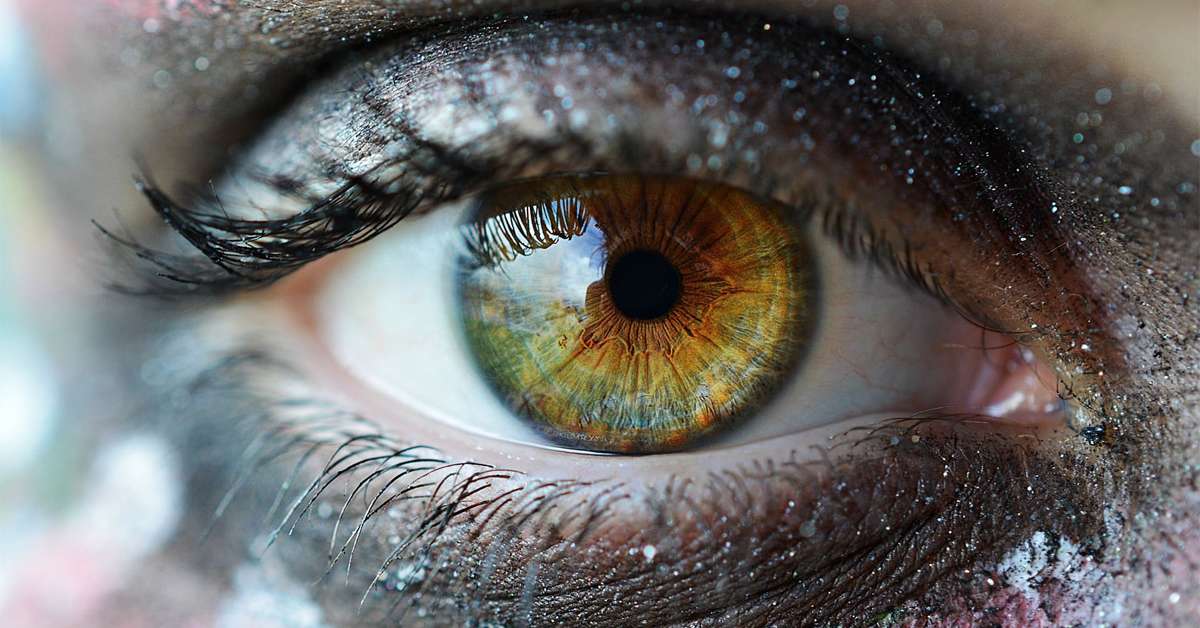
Have you ever looked through a foggy window and wondered what if that were your eyesight? What happens when the window of your eye becomes cloudy? The cornea—the clear front surface of the eye—plays a critical role in focusing light and allowing us to see the world sharply. But infections, injuries, genetic conditions, and aging can damage this delicate tissue, leading to blurred vision, pain, and sometimes even blindness. The remarkable news is that many of these conditions are treatable—and in some cases, surgeons can replace the damaged “window” of the eye to restore sight. Whether you have a corneal disease, know someone with vision problems, or are simply curious about how modern medicine can bring sight back, join us to learn about: How the cornea works What cause it to become cloudy or scarred How treatments work How donated tissue can restore sight Gain a deeper understanding of how damage to this tiny, transparent tissue is among the top causes of global blindness and how advances in eye care are helping people see the world clearly again. Afshan Nanji, MD, MPH is an Associate Professor of Ophthalmology at the Casey Eye Institute at Oregon Health & Science University. She cares for patients with diseases of the cornea including infections, keratoconus, dystrophies, ocular surface cancers, and other conditions. In addition to her clinical work, she teaches future eye surgeons and conducts research to improve diagnosis and treatments for corneal disease. Minors ok when accompanied by a parent or guardianReview our venue FAQ here ALL SALES ARE FINAL. PLEASE, DOUBLE CHECK YOUR ORDER BEFORE PURCHASING. NO REFUNDS.
Science On Tap – How Did the Frog Cross the Road? Portland’s Frog Tunnel
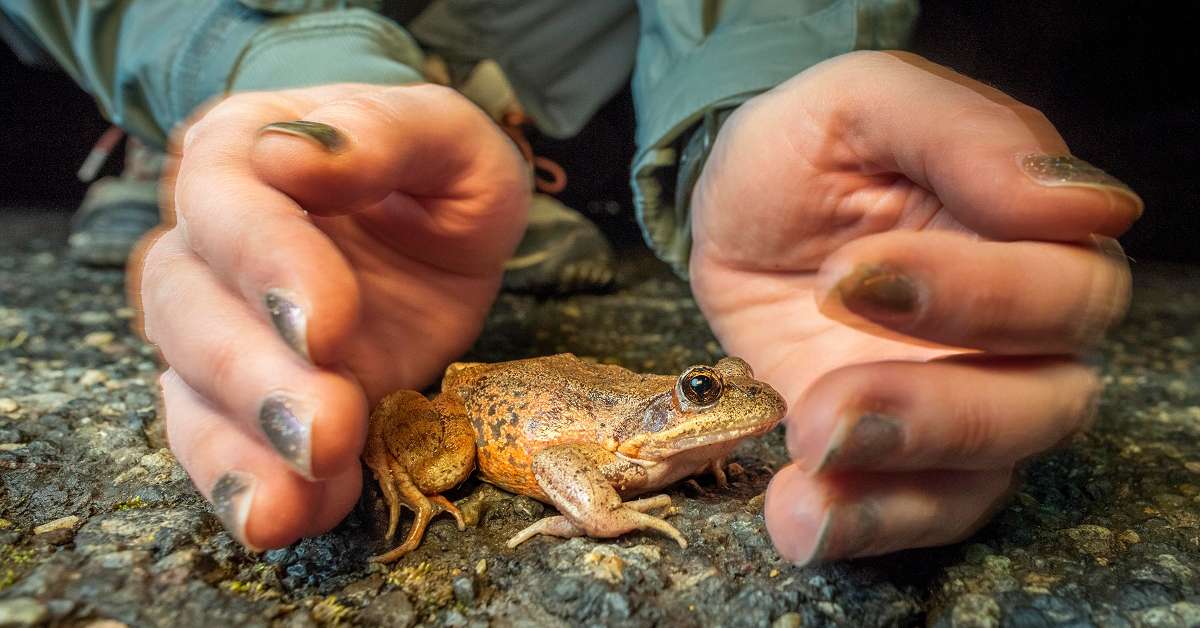
Every winter, the amphibians of northwest Portland enter a real-life game of Frogger. Most drivers on U.S. Route 30 never notice the small, slimy critters leaping across the asphalt on rainy nights. But for northern red-legged frogs, the stakes are high—reach the water to lay their eggs, or die trying. In response to their plight, biologists are using innovative solutions to help frogs and other vulnerable wildlife cross roads. With the help of buckets and bulldozers, over a decade of conservation efforts have inspired a growing community of amphibian enthusiasts in Portland. In the summer of 2024, they broke ground on their biggest venture yet: a tunnel for frogs beneath Route 30. Less than two years later, the project is shaping up to be an early success story. Along the way, scientists are using specialized technology to document northern red-legged frog behavior and develop strategies to protect this common, yet cryptic species. Join us to learn about the challenges our amphibian neighbors face and how we can help overcome them, while gaining a glimpse into the fascinating lives of frogs. Alyson Yates is a graduate student in the School of Earth, Environment and Society at PSU and a freelance photojournalist. Led by a motivation to conserve lesser-known and misunderstood wildlife, she has embarked on adventures around the world to bridge science and storytelling. Her work has been featured by National Wildlife Magazine, Bats Magazine, Merlin Tuttle’s Bat Conservation, OSU, and other media outlets. Minors ok when accompanied by a parent or guardianReview our venue FAQ here ALL SALES ARE FINAL. PLEASE, DOUBLE CHECK YOUR ORDER BEFORE PURCHASING. NO REFUNDS.
Science On Tap – The Silken Thread: Five Insects & Their Impacts on Human History
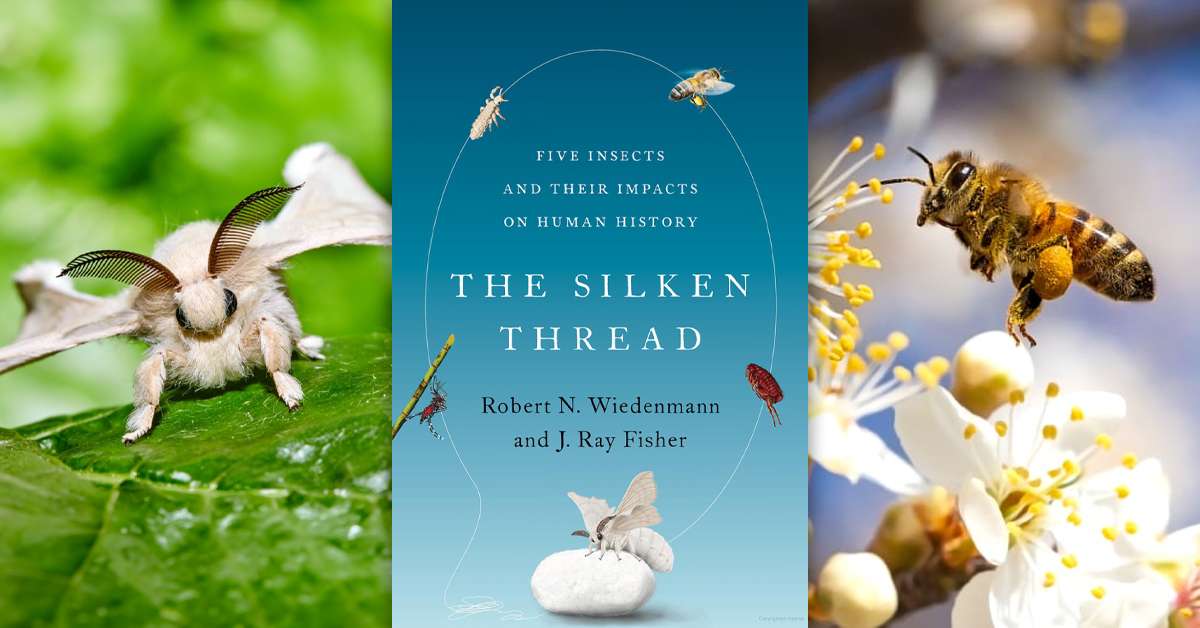
A moth, a flea, a mosquito… Insects are seldom mentioned in history texts, yet they significantly shaped human history. For example: • Silkworms (moths) have been farmed to produce silk for millennia, and the Silk Road created a history of empires and cultural exchanges of ideas, philosophies, and religions. • Fleas and lice carried bacteria that caused three major plague pandemics. Bacteria carried by insects left their ancient clues as DNA embedded in victims’ teeth. • Lice caused outbreaks of typhus, especially in crowded conditions such as prisons and concentration camps. Typhus aggravated the effects of the Irish potato famine, and Irish refugees took typhus to North America. • Mosquito-borne yellow fever was transported to the Americas via the trans-Atlantic slave trade, causing panic in the US and creating hazards in constructing the Panama Canal. Dr. Rob Wiedenmann will explore the impact and common threads connecting these insects. This talk is based on his book, coauthored by J. Ray Fisher: The Silken Thread: Five Insects and Their Impacts on Human History. Dr. Rob Wiedenmann is Professor Emeritus of Entomology at the University of Arkansas. He received a B.S. in Ecology and Evolutionary Biology, and a Ph.D. in Entomology, both from Purdue University. He also worked at the Illinois Natural History Survey, where he focused on biological control of insects and weeds. He is a past-president of the Entomological Society of America. Minors ok when accompanied by a parent or guardianReview our venue FAQ here ALL SALES ARE FINAL. PLEASE, DOUBLE CHECK YOUR ORDER BEFORE PURCHASING. NO REFUNDS.
Science On Tap – Save the Planet: Recycle! …or Not?
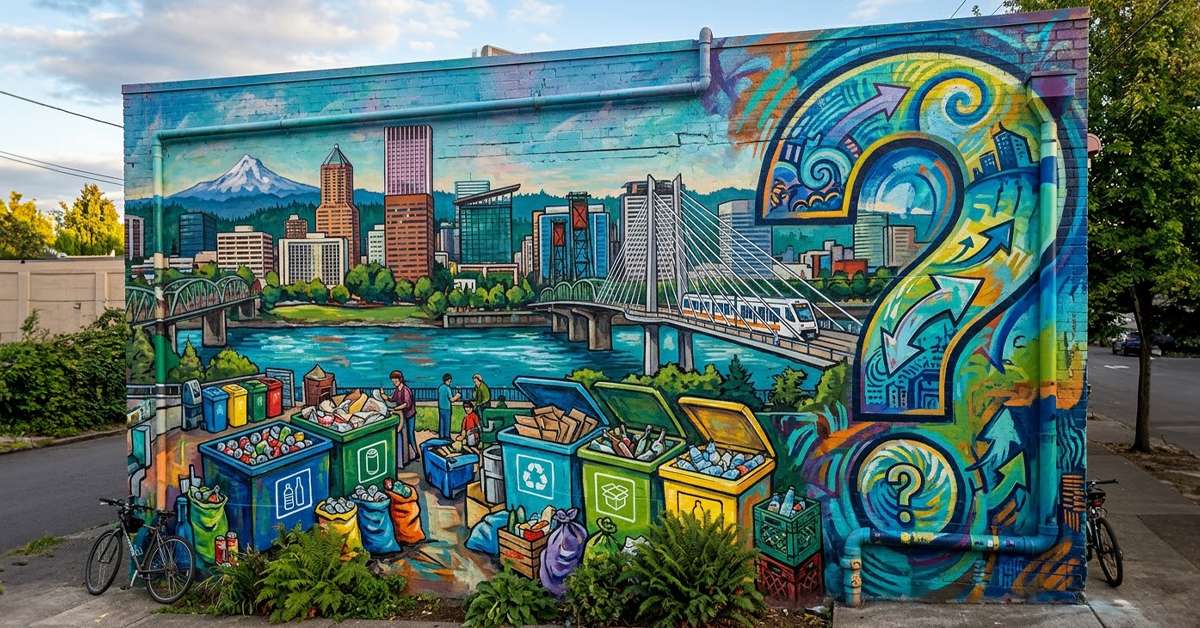
Few conservation behaviors have captured the public’s interest as much as recycling. But sorting your trash and placing it at the curb isn’t recycling . . . it’s just the start of a long and somewhat surprising journey for your empty milk cartons and back issues of Cat Fancy. Where do those materials go once in the bin? How do they get sorted out? And where do they go from there? What about those rumors that recycling trucks just deliver materials to the landfill, or dump them in the ocean? How can recycling even deliver environmental benefit, given all of the trucks and machinery involved? What’s the deal with plastic, anyway? You have questions, and we have answers! After pioneering recycling policy in the late 1980s, Oregon is now implementing the first “extended producer responsibility” law for packaging in the U.S. The Plastic Pollution and Recycling Modernization Act, adopted in 2021, was launched July 1, 2025 and is designed to provide residents and businesses a recycling system that can be trusted to deliver the environmental benefits that recycling has long promised. But even a fully modernized recycling system has limited potential to stem the tide of unsustainable levels of production and consumption. Explore how recycling is simultaneously necessary and insufficient, how recycling needs to be improved, and what else Oregon could be doing to use materials sustainably. David Allaway and Justin Gast work at the OR Department of Environmental Quality, and between them have over 57 years of experience with recycling systems. In addition to his time at DEQ, Justin has worked at the local and national levels for the likes of Resource Recycling magazine, the Washington County (OR) Solid Waste & Recycling Program and The Recycling Partnership. David has testified before Congress and co-chaired Oregon’s Recycling Steering Committee, and his work has been featured in Last Week Tonight with John Oliver, the National Law Review, Time, Sierra and PBS Frontline. Minors ok when accompanied by a parent or guardianReview our venue FAQ here ALL SALES ARE FINAL. PLEASE, DOUBLE CHECK YOUR ORDER BEFORE PURCHASING. NO REFUNDS.
Science On Tap: The Neuroscience of Alcohol – 9 FAQs
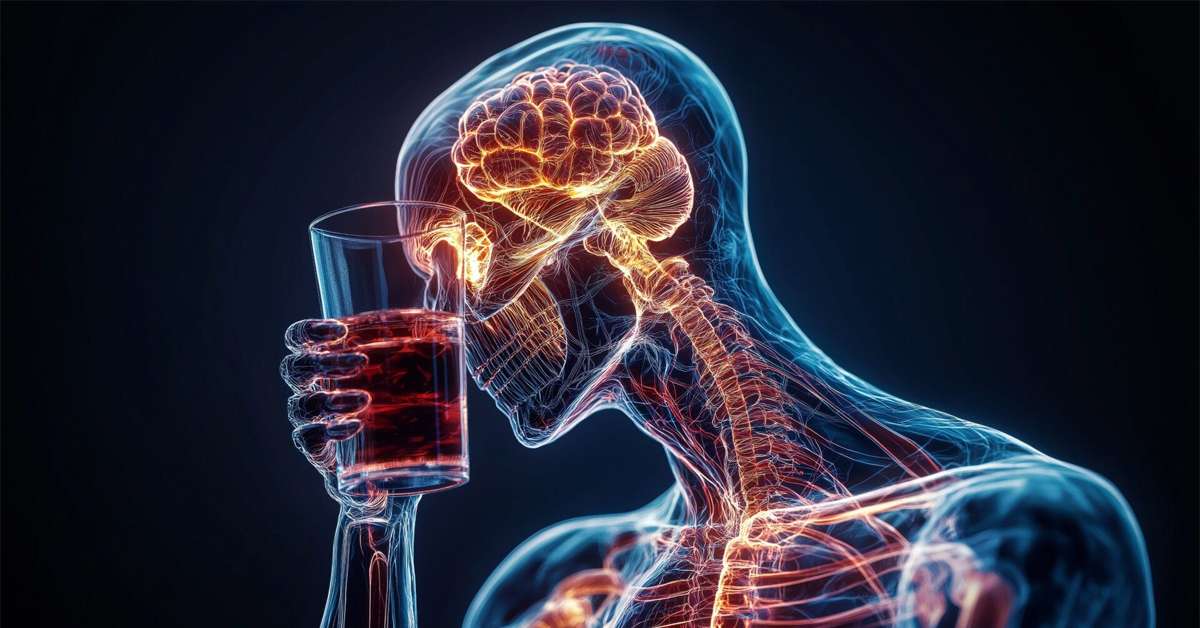
In this light-hearted presentation, we will answer 9 frequently asked questions related to alcohol and brain function, with an emphasis on adolescents-young adulthood. Many lores and misrepresentations about beverage alcohol (ethanol) abound and are retold throughout human history. Decades of scientific studies on alcohol effects on brain and behavior, however, are just as intriguing. Why is 21 years the legal age to purchase alcohol?Why does alcohol give you the spins?Does alcohol truly relieve stress?Do teenagers get hangovers?What does alcohol do to sleep?Are there long-term effects of adolescent drinking?What’s wrong with drinking games?How does alcohol cause memory impairmentsCan drinking on an empty stomach increase intoxication? From myths to data, this talk will explore the complicated relationships humans have with alcohol. Dr. Kathy Grant is Professor and Chief of Neuroscience at OHSU. She is a behavioral neuroscientist and studies mechanisms of stress-alcohol outcomes and risk factors such as genetics, adolescent vulnerability, sex differences and decision-making in chronic heavy drinking. Dr. Aqilah McCane is an Assistant Professor in the Division of Neuroscience at OHSU. She is an expert in neural mechanisms of adolescent decision-making and studies the developmental consequences of adolescent alcohol use on neural circuitry as well as adolescent risk factors for alcohol misuse in adulthood. Minors ok when accompanied by a parent or guardianReview our venue FAQ here ALL SALES ARE FINAL. PLEASE, DOUBLE CHECK YOUR ORDER BEFORE PURCHASING. NO REFUNDS.
Science On Tap: Confirmation Bias in Science: Disastrous Yet Essential
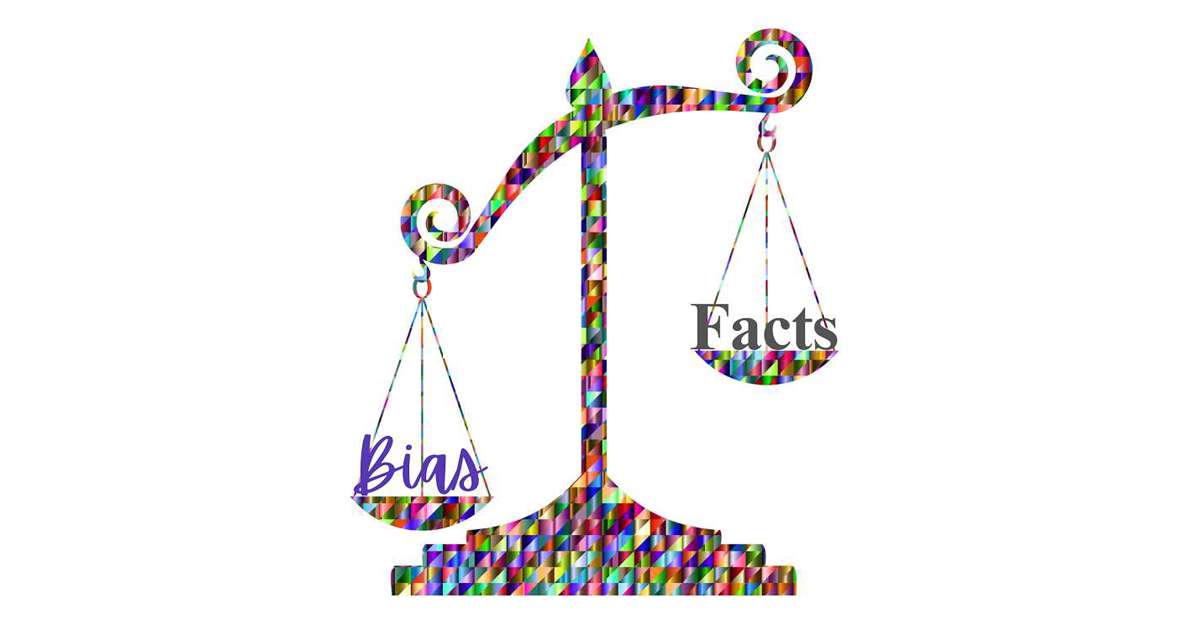
Humans unconsciously filter experience based on what they already believe (called confirmation bias). Seeing is not believing – rather, believing is seeing. Despite specific scientific methods to address this bias, it continues to confuse and confound science, leading to errors, mistakes, and failures – many on a monumental scale. Confirmation bias begins the moment a person has a belief, regardless of its origin or truth, even if the belief is harmful to the person who has it. (Remember Prosper-René Blondlot and the great fiasco of N-Rays?) Why would we evolve such a seemingly maladaptive trait? Surprisingly, despite the damage, without confirmation bias, forward progress in science would stop. It’s even essential to human thinking. In this Science on Tap, Dr. James C. Zimring will explore how and why confirmation bias both drives science forward and can also drive it off a cliff. He’ll explore the questions: How do we harness the remarkable advantages of confirmation bias? How does promoting diversity maximize those advantages? James C. Zimring MD, PhD holds the Thomas W. Tillack chair in experimental pathology at the U of Virginia. For the last 20 years, Dr. Zimring has been highly involved in teaching the “science about science” at the graduate and undergraduate levels, as well as a course on scientific thinking for high school. Dr. Zimring has published two books on the topic: What Science is and How it Really Works (Cambridge University Press) and Partial Truths (Columbia University Press). Tickets:$15.00 DISCOUNT (senior, student, it’s your birthday, just can’t afford the GA price right now)$25.00 GENERAL ADMISSION$35.00 VIP: Premium seating in the front several rows of the center section$45.00 SUPPORTER: Premium seating, pint glass (beer not included), and good feelings for supporting the programMinors ok when accompanied by a parent or guardianReview our venue FAQ here
Science On Tap: Exploring Earth Songs with The Volcano Listening Project
Volcanic eruptions can perturb global climate, build mountains, and reshape human civilizations. They can be deadly, but the deep roots of volcanoes also provide a foundry for critical minerals that enable modern society. In these ways and others, volcanoes have inspired scientists and artists alike for thousands of years. The Volcano Listening Project explores connections between scientific research and artistic perspectives of volcanoes, developing tools to represent data through sound that draw equally from data science, volcanology, and new music. Data ‘sonification’, the display of data using sound, is a powerful way to interact with and understand the complex signals recorded at volcanoes. By leveraging our ears as scientific sensors, it is possible to detect patterns and subtle signatures of deep, poorly understood, volcanic processes. In equal part, sonification of data can trigger an emotional response, and thus lead to compelling music. This program will showcase the Earth songs of volcano music and explain the science behind it, led by volcanologist and violinist Leif Karlstrom. Joining Leif is an ensemble of internationally recognized musicians: Todd Sickafoose (Grammy award-winning composer and bass player for Ani DiFranco), Idit Shner (University of Oregon saxophone professor), Adam Roskiewicz (Grammy nominated with The Modern Mandolin Quartet, as well as work with the Ger Mandolin Orchestra and bluegrass band Front Country), and Johnny Rodgers (tuned glass virtuoso). Leif Karlstrom is an associate professor of Earth Sciences at the University of Oregon. He studies fluid motions in and on volcanoes, glaciers, landscape evolution, and geodynamics. He currently co-leads the Federal Advisory Committee to the U.S. Geological Survey National Volcano Early Warning System, and is also a violinist and composer, with recent national touring and recording credits including folk/bluegrass ensembles Front Country, The Lowest Pair, and Hot Buttered Rum. Minors ok when accompanied by a parent or guardianReview our venue FAQ here ALL SALES ARE FINAL. PLEASE, DOUBLE CHECK YOUR ORDER BEFORE PURCHASING. NO REFUNDS.
Science On Tap: Indigenous Science – Seed Banks for Eco-Restoration
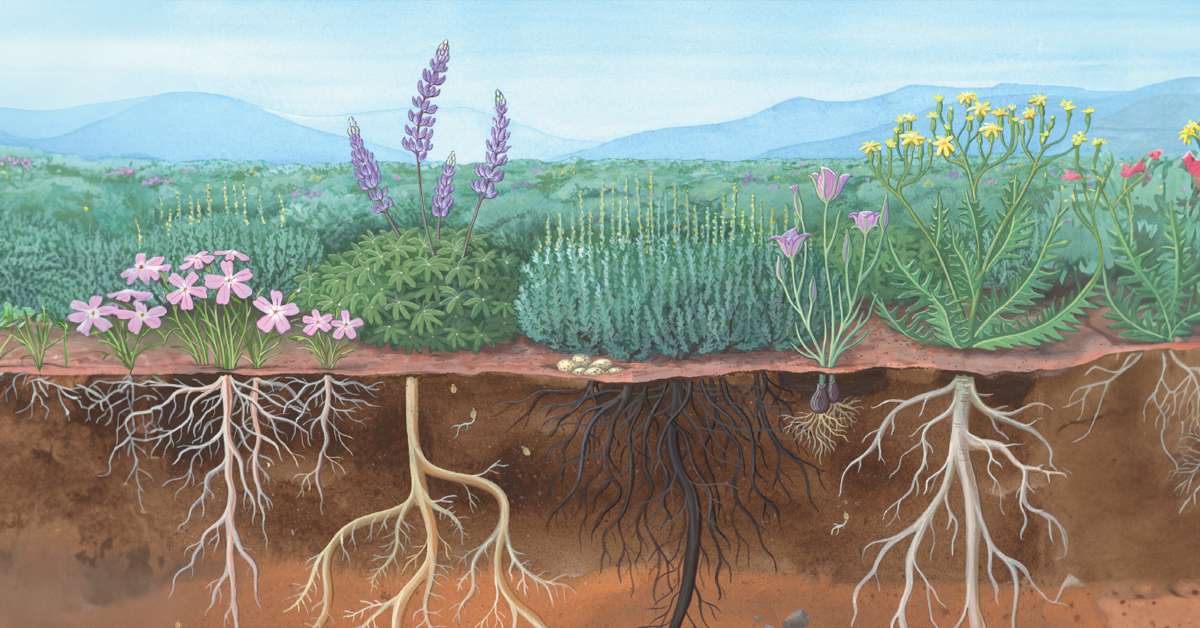
Many ecological restoration projects are one-size-fits-all: kill the weeds, then plant native seeds. But across the West, native plants have unexpectedly reestablished themselves via wind, water, or underground seed banks at restored properties in Oregon, Washington, Idaho, and California within various ecosystems—prairies, estuaries, sagebrush steppe, wetlands and coastal sand dunes. Scientists, in particular Indigenous scientists, have found that native seeds can regerminate after decades of dormancy underground and that some species—even federally endangered ones—will regrow once invasive plants are removed, or water is returned. This approach, known as “natural regeneration,” is understudied and overlooked by Western scientists. Yet Indigenous-led projects show that it is a more effective and more affordable way to restore degraded lands. This show will discuss a handful of tribally led restoration projects where native plants have returned on their own. Josephine Woolington is a writer and musician based in her hometown of Portland, Oregon. She is the author of “Where We Call Home: Lands, Seas, and Skies of the Pacific Northwest,” which won the 2024 Oregon Book Award for general nonfiction. Her wide-ranging, long-form feature story on this subject was published in High Country News. David G. Lewis (Confederated Tribes of Grand Ronde), an OSU anthropology and Indigenous studies assistant professor who descends from western Oregon’s Takelma, Chinook, Molalla and Santiam Kalapuya peoples. Lewis has studied a Willamette Valley site, called Lake Labish, where wapato, a traditional food for PNW Indigenous peoples, has reappeared after a 120-year absence. He is the author of Tribal Histories of the Willamette Valley (2023). Tickets:$15.00 DISCOUNT (senior, student, it’s your birthday, just can’t afford the GA price right now)$25.00 GENERAL ADMISSION$35.00 VIP: Premium seating in the front several rows of the center section$45.00 SUPPORTER: Premium seating, pint glass (beer not included), and good feelings for supporting the programMinors ok when accompanied by a parent or guardianReview our venue FAQ here
Consider This with Dahlia Lithwick
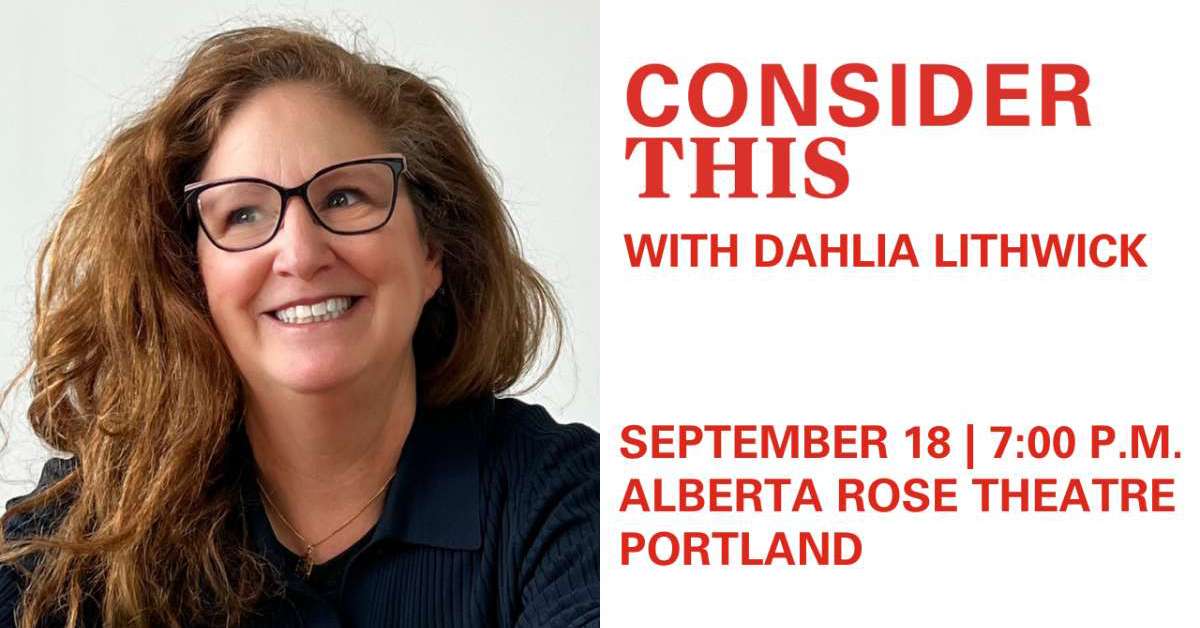
Join us for a conversation about law, justice, and the public interest with Dahlia Lithwick, senior legal correspondent at Slate and host of the Amicus podcast about law and the Supreme Court. One of the leading legal commentators in the US, Dahlia Lithwick has covered courts for Slate since 1999 and regularly appears as an analyst on MSNBC. Her recent book, Lady Justice: Women, the Law, and the Battle to Save America, presents a historical account and perspective on the intersection of feminism, law, and politics during the Trump administration. She has testified before Congress about access to justice in the era of the Roberts Court and how MeToo impacts federal judicial law clerks. General AdmissionPrice: $15 Conversation StarterPrice: $30 Ticket sales do not cover the full cost of presenting Consider This events. When you buy a Conversation Starter ticket, you help us keep ticket prices low for everyone. Oregon Humanities uses income from Consider This ticket sales to pay for venue rental and honoraria for our guests. Conversation Starter tickets convey no special benefits beyond good feelings and our gratitude. No Cost To make sure as many people as possible who want to attend are able to, we make a portion of tickets available at no cost. (More information below) If you’re able to pay for a ticket, we ask that you do so to help keep this program accessible to all. Please click the link below to register for no-cost tickets. Click here to register for no-cost tickets to Consider This.